10 Facts About Seychelles That Will Surprise You
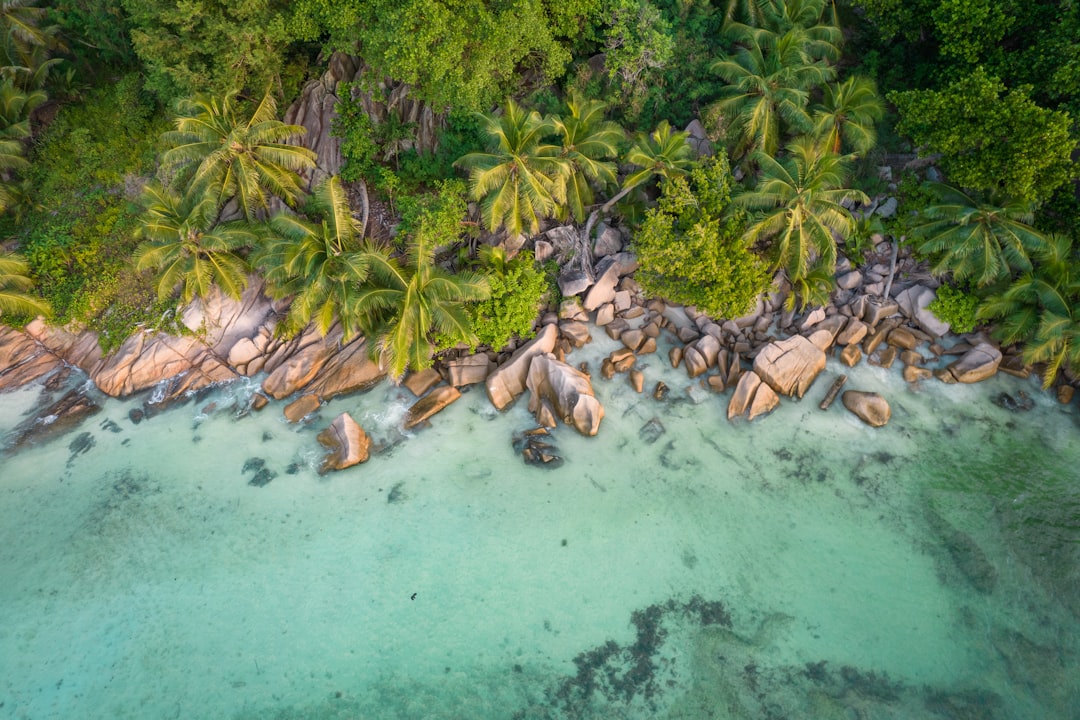
Imagine a place where ancient granite meets turquoise waters, where unique wildlife roams free, and where every sunset paints a masterpiece. Welcome to Seychelles, an archipelago of 115 islands scattered across the shimmering Indian Ocean. Often pictured as the quintessential tropical paradise, Seychelles holds more secrets and surprising truths than meets the eye. Beyond its famed pristine beaches and luxury resorts, lies a captivating history, incredible biodiversity, and a culture rich in a blend of influences. Get ready to dive deep into some lesser-known, astonishing facts about Seychelles that will undoubtedly change your perception of this idyllic destination.
Unveiling the Hidden Gems of Seychelles
1. Home to the Enigmatic Coco de Mer
One of the most extraordinary facts about Seychelles is its exclusive home to the Coco de Mer, the largest and heaviest seed in the world. Found naturally only on the islands of Praslin and Curieuse, this double-lobed coconut tree produces seeds weighing up to 20 kg. Its unusual, distinctly feminine shape led to ancient myths of it growing in a mythical garden of Eden and possessing aphrodisiac qualities. It's a protected species and a symbol of the islands' unique biodiversity.
2. The Smallest Capital City in the World
Victoria, the capital city of Seychelles, holds the remarkable title of being one of the smallest capital cities globally. Located on Mahé island, it can be explored entirely on foot within a few hours. Despite its size, Victoria is a vibrant hub featuring a bustling market, colonial architecture, and a replica of London's Big Ben, known as the 'Clock Tower', making it a charming and easily navigable urban center.
3. Ancient Granite Islands, Not Volcanic
Unlike many oceanic islands that are volcanic in origin, the inner islands of Seychelles are granitic. This makes them the only mid-ocean islands in the world that are granitic and not of volcanic or coralline formation. These ancient rocks are remnants of a supercontinent Gondwana, giving them a unique geological history and dramatic landscapes of towering boulders and lush hillsides.
4. A Sanctuary for Giant Aldabra Tortoises
Seychelles is a critical sanctuary for the Aldabra giant tortoise, one of the largest land tortoises in the world. While many are familiar with the Galápagos tortoises, the Aldabra atoll in Seychelles is home to the largest population of these gentle giants, numbering over 100,000. These ancient reptiles can live for well over a century, contributing significantly to the islands' extraordinary wildlife.
5. Over 50% of its Land is Protected
Demonstrating an exceptional commitment to conservation, over 50% of Seychelles' total land area is designated as national parks and protected areas. This makes it a world leader in environmental protection and ensures the preservation of its pristine ecosystems, endemic species, and breathtaking natural beauty for future generations.
6. Two UNESCO World Heritage Sites
Despite its small size, Seychelles boasts two UNESCO World Heritage Sites. The first is the Aldabra Atoll, the world's second-largest coral atoll, famed for its untouched nature and enormous population of giant tortoises. The second is the Vallée de Mai Nature Reserve on Praslin, often referred to as the "Garden of Eden," where the Coco de Mer palm grows naturally. These sites underscore the islands' global ecological importance.
7. A Melting Pot of Cultures and Languages
The Seychellois culture is a vibrant tapestry woven from African, European, and Asian influences. This rich heritage is reflected in its Creole cuisine, music, architecture, and language. Seychelles has three official languages: Creole, English, and French, allowing for a fascinating linguistic diversity that reflects its colonial past and diverse population.
8. No Indigenous Human Population Until the 17th Century
One truly surprising fact is that Seychelles remained uninhabited by humans until the arrival of explorers in the 17th century. Arab traders and European navigators visited, but there was no permanent settlement until the French established a colony in 1770. This late colonization contributed to the preservation of its unique biodiversity for a longer period.
9. A Natural Paradise Without Endemic Dangerous Wildlife
For a tropical destination, Seychelles is remarkably free from many of the creatures typically associated with danger. There are no endemic poisonous snakes or dangerous large mammals on the main islands. This makes exploring its lush forests and swimming in its crystal-clear waters a truly worry-free experience for visitors, focusing solely on its stunning natural beauty.
10. Home to Some of the World's Best Beaches
While perhaps not a "surprise" to many, the sheer quality and consistency of Seychelles' beaches are truly remarkable. Regularly topping lists of the world's most beautiful beaches, stretches like Anse Source d'Argent on La Digue with its iconic granite boulders, Anse Lazio on Praslin, and Beau Vallon on Mahé offer unparalleled beauty, powdery white sand, and azure waters. This fact, while expected, is consistently impressive.
Experience the Magic of Seychelles
From its ancient granite foundations and the mysterious Coco de Mer to its tiny capital and massive conservation efforts, Seychelles is far more than just a pretty face. These 10 surprising facts highlight the unique character and ecological significance of this Indian Ocean gem. Whether you're a nature lover, an adventurer, or simply seeking an unparalleled escape, Seychelles offers a truly extraordinary experience that continually surprises and captivates. Plan your visit to this tropical paradise and uncover its wonders for yourself!