A Guide to the Most Important Historical Battles of Liechtenstein
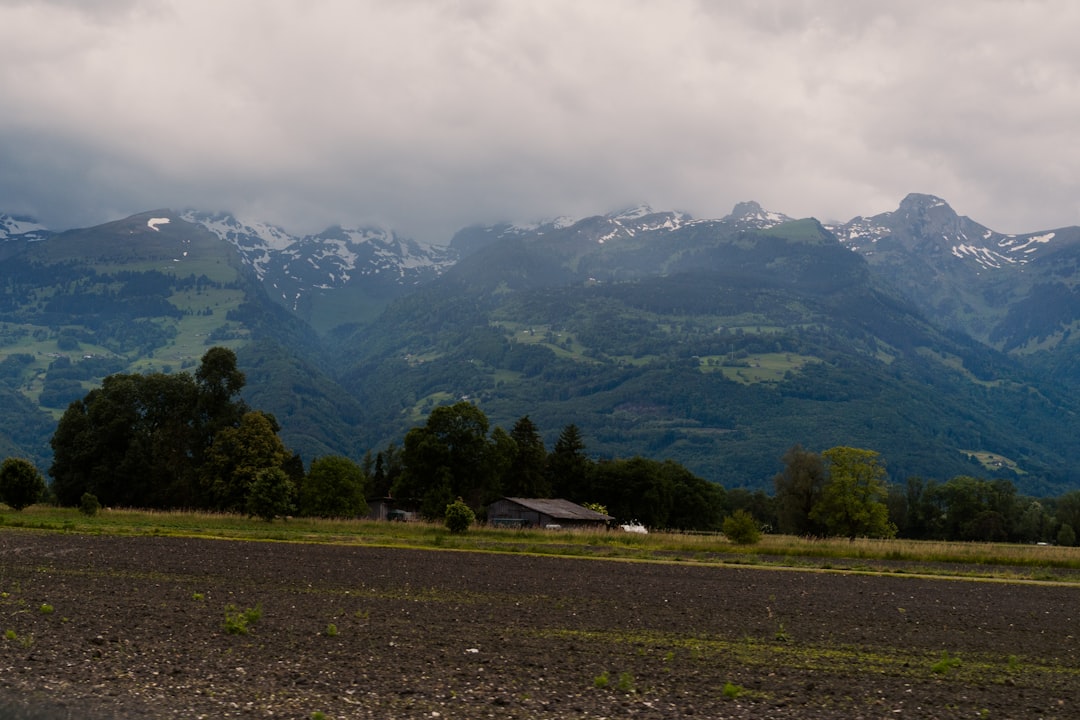
The very title, "A Guide to the Most Important Historical Battles of Liechtenstein," might conjure images of grand armies, strategic maneuvers, and pivotal clashes that shaped the destiny of a nation. However, Liechtenstein's history offers a uniquely fascinating narrative precisely because it stands apart from this common trope. As one of the world's smallest and most prosperous nations, its journey is marked not by military might, but by a profound commitment to peace, neutrality, and diplomacy.
Liechtenstein's Unique Path to Peace
Unlike many European states, the Principality of Liechtenstein has largely avoided direct involvement in major conflicts, especially in its modern history. This doesn't mean its past is devoid of interest; rather, its story is one of astute navigation through turbulent times, embracing a model of permanent neutrality that has secured its sovereignty and well-being. The "battles" of Liechtenstein have often been fought in the economic, diplomatic, and cultural arenas, not on traditional battlefields.
Early History and External Influences
Before its formal establishment as a sovereign state, the territories that now comprise Liechtenstein were part of the larger Holy Roman Empire. During these centuries, any conflicts involving the region would have been part of broader imperial or dynastic struggles, not specific to an independent Liechtenstein. Local militias might have participated under the banners of their feudal lords, but no "Liechtenstein army" in the modern sense existed to fight its own distinct battles.
The Legendary Last Deployment: A Story of Peace
Perhaps the most famous — and ironic — "military engagement" in Liechtenstein's history occurred during the Austro-Prussian War of 1866. This event is legendary not for its ferocity, but for its utterly peaceful outcome.
- The Deployment: Liechtenstein sent a contingent of 80 soldiers to guard the Stelvio Pass on the border between Austria and Italy, a non-combat zone.
- The Outcome: When the soldiers returned home, a remarkable thing happened: 81 soldiers came back. They had made a friend along the way, an Italian liaison officer, who decided to join them on their return journey.
- The Significance: This humorous anecdote perfectly encapsulates Liechtenstein's military history – one of camaraderie and harmlessness rather than conflict.
Following this war, in 1868, Liechtenstein made the pivotal decision to abolish its standing army permanently. This marked the official beginning of its policy of unarmed neutrality, a policy it has maintained ever since.
Embracing Permanent Neutrality
The abolition of its army was a bold and defining move for the tiny principality. It solidified Liechtenstein's commitment to permanent unarmed neutrality, positioning it as a unique entity on the European stage. This strategy allowed the nation to:
- Focus its resources on economic development and social welfare.
- Cultivate a reputation as a stable and reliable partner in international relations.
- Avoid the devastating consequences of two World Wars and numerous regional conflicts that ravaged its neighbors.
Instead of investing in military hardware, Liechtenstein channeled its energies into building a robust financial services sector, fostering innovation, and maintaining a high quality of life for its citizens.
Liechtenstein's Modern Security Strategy
Without a conventional army, how does Liechtenstein ensure its security? Its strategy is multi-faceted:
- Police Force: A well-trained and efficient national police force maintains internal security and order.
- Bilateral Agreements: Close ties and security cooperation with Switzerland, with whom Liechtenstein shares a customs union and open borders, provide a layer of external defence and assistance in emergencies.
- International Law and Diplomacy: Liechtenstein is an active member of the United Nations and other international bodies, advocating for peaceful resolution of disputes and adherence to international law. Its security is underpinned by its strong diplomatic presence and its commitment to global stability.
The Real "Battles" of Liechtenstein
While traditional military battles are absent from its recent past, Liechtenstein has certainly faced and triumphed over significant challenges, which could be termed its "real battles":
Economic Prosperity
- The Battle Against Poverty: Transforming from an agrarian society to one of the wealthiest nations per capita.
- Navigating Financial Crises: Maintaining economic stability and a strong financial sector amidst global turbulences.
- Innovation and Diversification: Constantly adapting its economy beyond banking to include high-tech industries and specialized manufacturing.
Diplomatic Ingenuity
- Maintaining Sovereignty: Preserving its independence as a microstate nestled between two larger nations.
- International Recognition: Gaining full membership in the UN and other key global organizations.
- Navigating European Politics: Balancing relations with the European Union while not being a member state.
Cultural Preservation
- Protecting Heritage: Safeguarding its unique cultural identity, language (German dialect), and traditions in a globalized world.
- Environmental Stewardship: Implementing strong policies to protect its pristine Alpine environment and promote sustainability.
A Model of Peaceful Coexistence
The story of Liechtenstein’s "battles" is ultimately a testament to the power of peaceful coexistence, strategic diplomacy, and economic foresight. It demonstrates that a nation's strength is not solely measured by its military might, but by its ability to foster stability, prosperity, and a high quality of life for its people without resorting to armed conflict. Liechtenstein stands as a compelling example of how a commitment to neutrality can forge a truly unique and admirable national identity.