Conquer the Language Barrier: Your Ultimate Guide to Communication in the Canary Islands
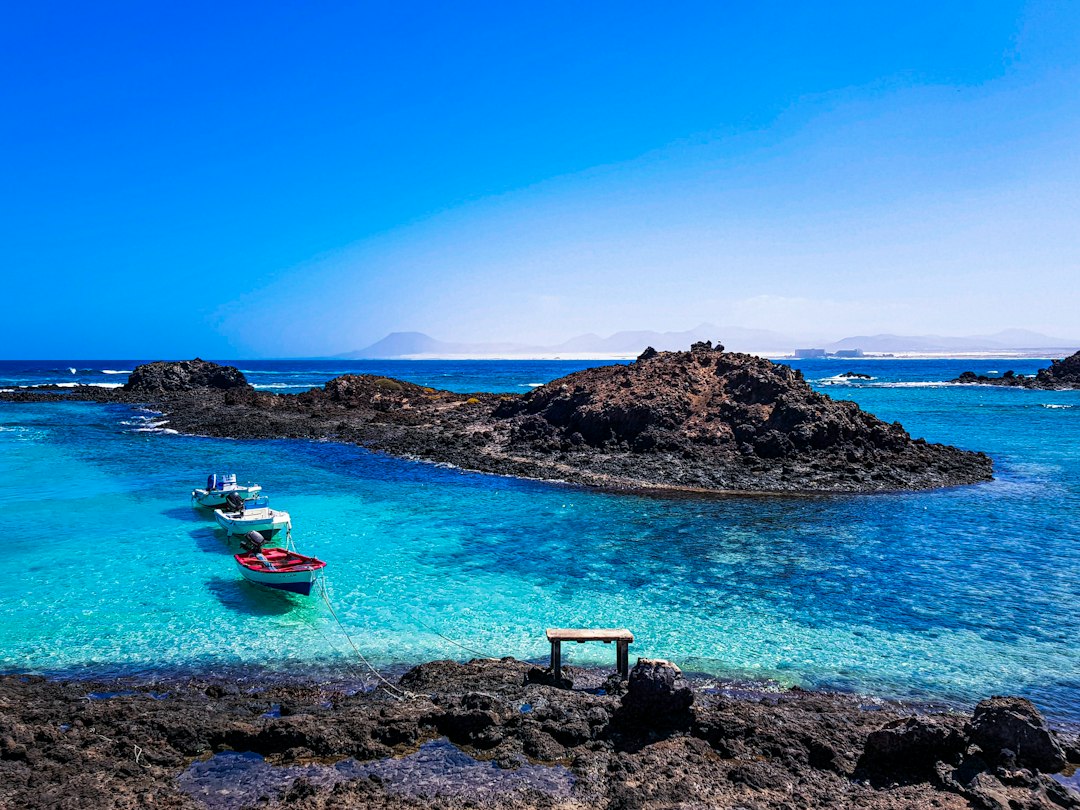
The Canary Islands beckon with their stunning beaches, volcanic landscapes, and vibrant culture. As you dream of sun-drenched days and delicious tapas, a common concern might arise: navigating the language barrier. While many locals in tourist areas speak English, embracing a few Spanish phrases can profoundly enrich your trip. Don't let language worries hold you back – with this guide, you'll be communicating with ease and confidence.
Why a Little Spanish Goes a Long Way in the Canaries
Learning even a few basic Spanish words isn't just about practical communication; it's a gateway to deeper cultural immersion. It shows respect and opens doors to more authentic experiences.
Enhance Your Experience
You'll discover hidden gems, connect authentically with locals, and gain a richer appreciation for the islands' unique heritage. Imagine ordering your coffee exactly how you like it or sharing a laugh with a shopkeeper – these moments are priceless and often only accessible when you make an effort to speak the local tongue.
Practical Advantages
Beyond cultural perks, having some Spanish under your belt offers tangible benefits. It can help you:
- Navigate local markets and find the best deals.
- Order food with confidence, ensuring you get exactly what you want (and avoid surprises!).
- Ask for directions to less-traveled spots.
- Handle unexpected situations with greater ease.
- Show respect for the local culture, which is always appreciated.
Essential Spanish Phrases for Your Canary Islands Adventure
Mastering a few key phrases will transform your interactions. Here are the must-knows for your trip:
Greetings and Politeness
These are your golden tickets to warm interactions:
- Hola (OH-lah) – Hello
- Adiós (ah-dee-OHS) – Goodbye
- Por favor (por fah-VOR) – Please
- Gracias (GRAH-see-ahs) – Thank you
- De nada (deh NAH-dah) – You're welcome
- ¿Qué tal? (keh TAHL) – How are you?
- Bien, gracias (bee-EN, GRAH-see-ahs) – Good, thank you
- Lo siento (loh see-EN-toh) – I'm sorry/Excuse me
Getting Around
Master these to explore like a pro:
- ¿Dónde está...? (DOHN-deh es-TAH...) – Where is...?
- La playa (lah PLAH-yah) – The beach
- El autobús (el ah-oo-toh-BOOS) – The bus
- A la izquierda (ah lah ee-sky-ER-dah) – To the left
- A la derecha (ah lah deh-REH-chah) – To the right
- Todo recto (TOH-doh REK-toh) – Straight ahead
Dining Out
Savor the local cuisine with confidence:
- La carta/El menú (lah KAR-tah/el meh-NOO) – The menu
- Quiero... (KEE-eh-roh...) – I would like...
- Una cerveza (OO-nah ser-VEH-thah) – A beer
- Un café (oon kah-FEH) – A coffee
- Agua (AH-gwah) – Water
- La cuenta, por favor (lah KWEHN-tah, por fah-VOR) – The bill, please
- Delicioso (deh-lee-see-OH-soh) – Delicious
Shopping and Services
For smooth transactions:
- ¿Cuánto cuesta? (KWAN-toh KWEH-stah) – How much does it cost?
- ¿Tiene...? (TYEH-neh...) – Do you have...?
- Sí (SEE) – Yes
- No (NOH) – No
- Abierto (ah-BYER-toh) – Open
- Cerrado (theh-RRAH-doh) – Closed
Beyond Words: Tips for Non-Spanish Speakers
Even if you can't learn every phrase, these tips will help you bridge the gap.
Embrace Technology
Don't shy away from your smartphone! Apps like Google Translate or DeepL offer instant text and even spoken translations. Download offline language packs before you go, especially useful when Wi-Fi is scarce. These tools can be lifesavers for complex requests or during emergencies.
Body Language is Universal
A smile, pointing, or simple gestures can often convey more than you think. Don't underestimate the power of non-verbal communication. It's amazing what you can communicate with a bit of miming and a friendly demeanor.
Patience and a Smile
Mistakes happen, especially when learning a new language. Patience is key, both for yourself and for those you're speaking with. A friendly smile goes a long way in bridging any communication gaps and showing your genuine effort.
Learn from the Locals
Listen to how locals speak, try to mimic pronunciations, and don't be afraid to ask for clarification. Most Canarians are delighted when visitors make an effort to speak Spanish and will often help you learn.
Cultural Nuances: Speaking the Language of Respect
Beyond direct translation, understanding a few cultural norms will further enhance your interactions. Politeness, for example, is highly valued. Always start interactions with a "Hola" and end with a "Gracias". When entering a shop, a simple "Buenos días" (good morning) or "Buenas tardes" (good afternoon/evening) is common courtesy. These small gestures show your appreciation and respect for the local way of life.
Visiting the Canary Islands should be an experience filled with joy, not anxiety about language. By learning a few essential Spanish phrases, utilizing translation tools, and approaching interactions with an open mind and a smile, you'll easily navigate any language barrier. Get ready to connect, explore, and fall even more in love with the stunning Canaries!