Discover Asia's Iconic Statues & Ancient Monuments: Your Ultimate Travel Guide
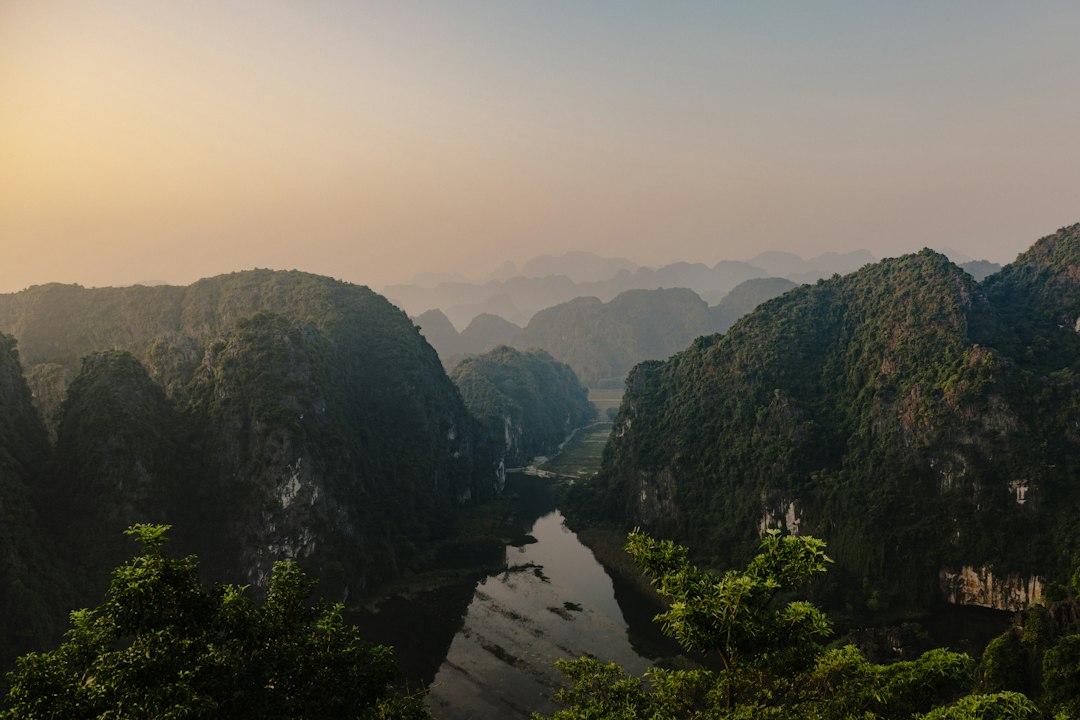
Asia, a continent rich in history, diverse cultures, and profound spiritual traditions, boasts an unparalleled collection of magnificent statues and awe-inspiring monuments. From ancient wonders that have stood for millennia to powerful modern tributes, these landmarks tell stories of emperors, gods, battles, and beliefs. Embark on a journey to explore some of the most famous and significant statues and monuments in Asia, each a testament to human ingenuity and artistic brilliance. This guide highlights must-see attractions that promise to enrich your travel experience and deepen your appreciation for Asian heritage.
East Asia's Marvels: Giants and Guardians
East Asia is home to some of the world's most recognizable and historically significant monumental art, attracting millions of cultural tourists annually.
The Terracotta Army, China
Discovered in 1974 near Xi'an, the Terracotta Army is an extraordinary collection of life-sized terracotta sculptures depicting the armies of Qin Shi Huang, the first Emperor of China.
- Significance: Buried with the emperor in 210–209 BCE, their purpose was to protect him in the afterlife.
- Details: The army comprises over 8,000 soldiers, 130 chariots with 520 horses, and 150 cavalry horses. Each soldier's face is unique, showcasing incredible artistic detail.
- Historical Impact: A UNESCO World Heritage site, it provides unparalleled insight into ancient Chinese military and artistic practices.
Leshan Giant Buddha, China
Carved directly into the cliff face of Mount Lingyun, the Leshan Giant Buddha is the tallest stone Buddha statue in the world.
- Location: Sichuan Province, China, overlooking the confluence of three rivers.
- Dimensions: Standing at 71 meters (233 feet) high, with fingers 8.2 meters long and shoulders 28 meters wide.
- Construction: Its construction began in 713 AD during the Tang Dynasty and took 90 years to complete.
- Purpose: Created to pacify turbulent waters that endangered passing boats.
Great Buddha of Kamakura, Japan
Known as Kamakura Daibutsu, this monumental outdoor bronze statue of Amitābha Buddha is a prominent symbol of Japan.
- Location: Kotoku-in Temple in Kamakura, Kanagawa Prefecture.
- Dimensions: Standing at 13.35 meters (43.8 feet) tall, it is the second-tallest bronze Buddha in Japan.
- History: Cast in 1252, it originally resided within a temple hall, but the hall was repeatedly destroyed by typhoons and a tsunami.
- Cultural Significance: Represents the serenity and enduring spirit of Japanese Buddhism.
Hiroshima Peace Memorial, Japan
A solemn reminder of the devastating impact of war, the Hiroshima Peace Memorial commemorates the atomic bombing of Hiroshima on August 6, 1945.
- Key Structure: The Atomic Bomb Dome (Genbaku Dome), the only structure left standing near the epicenter.
- Purpose: Preserved as a UNESCO World Heritage site and a powerful symbol for peace and nuclear disarmament.
- Overall Site: Includes the Peace Memorial Museum, Children's Peace Monument, and the Flame of Peace, inspiring reflection and hope.
Southeast Asia's Grandeur: Temples and Modern Icons
Southeast Asia's landscapes are dotted with ancient religious complexes and striking contemporary monuments that define its vibrant cultures.
Angkor Wat, Cambodia
The crown jewel of Cambodia, Angkor Wat is the largest religious monument in the world and a masterpiece of Khmer architecture.
- Type: Originally constructed as a Hindu temple dedicated to Vishnu, it gradually transformed into a Buddhist temple.
- Dimensions: Spanning over 400 acres, featuring impressive bas-reliefs, intricate carvings, and five iconic lotus-like towers.
- Historical Period: Built in the early 12th century by King Suryavarman II.
- Symbolism: Represents Mount Meru, the home of the devas in Hindu mythology.
Borobudur Temple, Indonesia
A colossal Mahayana Buddhist temple in Central Java, Borobudur is the largest Buddhist temple in the world and an unparalleled architectural marvel.
- Structure: Composed of nine stacked platforms, six square and three circular, topped by a central dome.
- Artwork: Adorned with over 2,672 relief panels and 504 Buddha statues, depicting the stages of enlightenment.
- Construction: Built in the 9th century, it was abandoned and hidden under volcanic ash and jungle growth for centuries before its rediscovery.
- Pilgrimage Site: Remains a sacred site for Buddhists and a global icon of Indonesian heritage.
Merlion, Singapore
The Merlion is the official mascot of Singapore, a mythical creature with the head of a lion and the body of a fish.
- Symbolism: The fish body represents Singapore's origin as a fishing village (Temasek), while the lion head represents Singapore's original name, "Singapura" (Lion City).
- Location: Two prominent Merlion statues are found at Merlion Park overlooking Marina Bay.
- Modern Icon: A popular tourist attraction and a recognizable symbol of the vibrant island nation.
South Asia's Timeless Wonders: Emperors and Empires
South Asia showcases an incredible blend of spiritual monuments and imperial structures that reflect millennia of history and diverse faiths.
Taj Mahal, India
A global icon of love and architectural perfection, the Taj Mahal is an ivory-white marble mausoleum on the south bank of the Yamuna river in Agra.
- Commissioned By: Mughal emperor Shah Jahan in 1632 to house the tomb of his favorite wife, Mumtaz Mahal.
- Architectural Style: A harmonious blend of Persian, Islamic, Mughal, and Indian architectural styles.
- Details: Adorned with intricate calligraphy, precious stones, and elaborate gardens.
- UNESCO Site: Regarded as one of the "New7Wonders of the World" and a testament to enduring love and artistic grandeur.
Hampi Monuments, India
The Group of Monuments at Hampi are a collection of ruins in Karnataka, India, marking the former capital of the Vijayanagara Empire.
- Historical Period: The empire flourished from the 14th to the 16th centuries.
- Structures: Includes magnificent temples like the Virupaksha Temple and Vittala Temple, along with palaces, market streets, and elephant stables.
- Unique Landscape: Set amidst a surreal landscape of giant boulders and the Tungabhadra River.
- Cultural Significance: A UNESCO World Heritage site that offers a glimpse into one of India's most powerful ancient empires.
These iconic statues and monuments are more than just stone and metal; they are guardians of history, storytellers of culture, and beacons of human aspiration. Exploring them offers a profound connection to the past and an appreciation for the enduring legacy of Asian civilizations. Plan your journey to witness these magnificent landmarks and immerse yourself in their timeless beauty and significance.