Discover Botswana's Iconic City Bridges: Gateways to Connectivity and Adventure
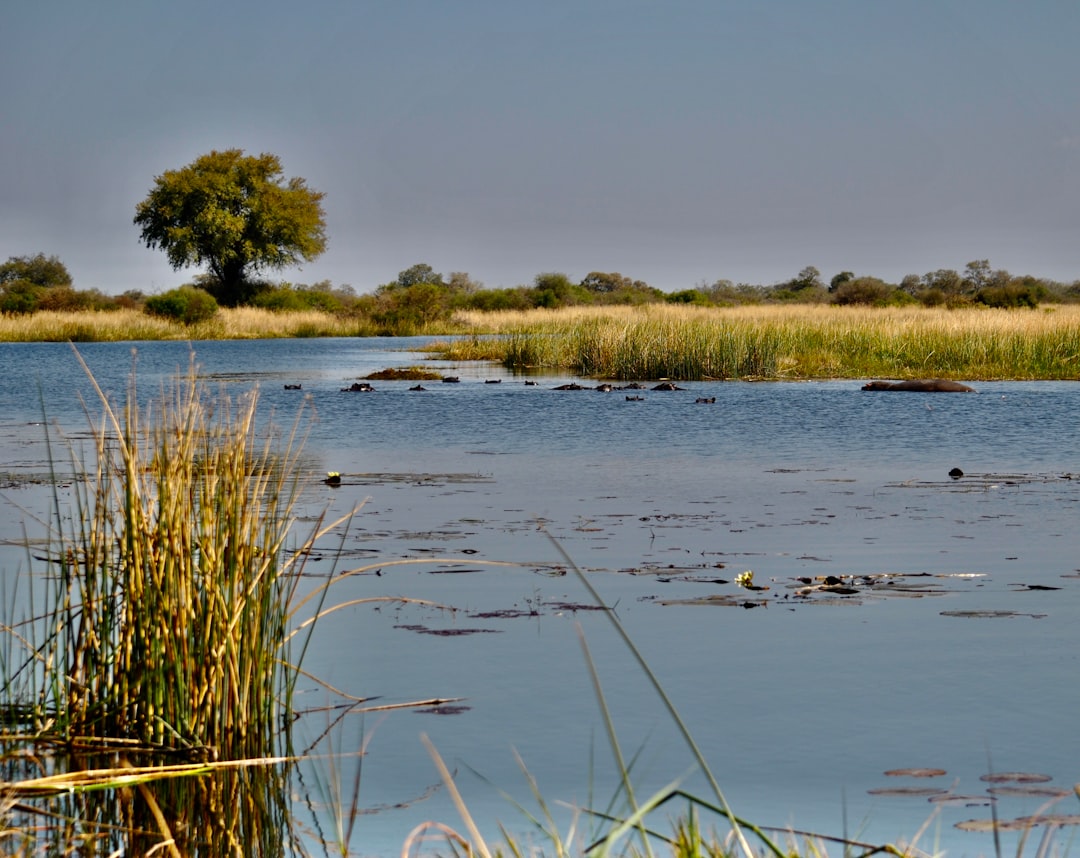
Botswana, a land of vast wilderness and vibrant culture, is renowned for its breathtaking landscapes and abundant wildlife. Yet, beneath the canopy of its natural beauty, lies a network of essential infrastructure that often goes unnoticed: its city bridges. Far from being mere utilitarian structures, these bridges are crucial arteries, connecting communities, facilitating trade, and providing vital access to both urban centers and the country's world-famous natural wonders. This guide explores some of Botswana's most famous and functionally significant bridges, highlighting their role in the nation's fabric.
Why Botswana's Bridges Are More Than Just Crossings
In a country crisscrossed by rivers, especially seasonal ones and major waterways like the Chobe, Limpopo, and Boteti, bridges are indispensable. They represent ingenuity and development, supporting various facets of Batswana life and the national economy.
- Crucial Urban Connectivity: Bridges within and around cities like Gaborone, Francistown, and Maun are essential for daily commutes, commercial traffic, and the seamless flow of urban life. They conquer natural barriers, allowing cities to expand and function efficiently.
- Economic Lifelines: Many bridges serve as critical links in regional and international trade routes, connecting Botswana to neighboring countries and facilitating the movement of goods and services.
- Access to Natural Wonders: For a country heavily reliant on tourism, bridges are key to accessing remote safari lodges, national parks, and wildlife areas, often departing from urban or semi-urban hubs.
Botswana's Most Notable "City" Bridges
While not all are architectural marvels in the traditional sense, their strategic importance and impact make them famous in their own right.
The Majestic Kazungula Bridge: A Regional Marvel
Standing as a testament to regional cooperation and modern engineering, the Kazungula Bridge is arguably Botswana's most iconic bridge. Located near the town of Kasane, at the confluence of the Zambezi and Chobe Rivers, this cable-stayed bridge connects Botswana and Zambia, forming a vital link in the Southern African Development Community (SADC) corridor.
- Location: Situated where four countries (Botswana, Zambia, Zimbabwe, Namibia) almost meet.
- Significance: It has drastically reduced waiting times for cross-border traffic, boosting trade, tourism (especially to Chobe National Park), and diplomatic relations. Its unique curved design is both functional and visually striking.
- Impact: Easing the movement of people and goods, the Kazungula Bridge is a powerful symbol of economic integration and development for the cities and towns it serves.
Connecting Francistown: Shashe River Bridges
Francistown, Botswana's second-largest city, relies heavily on its infrastructure to support its role as a key northern hub. The Shashe River, a major waterway, flows past the city, necessitating several bridges that are vital for urban development and regional access.
- Importance: These bridges over the Shashe River are crucial for connecting different parts of Francistown, managing traffic flow, and linking the city to surrounding areas, including mining operations and agricultural regions. They are indispensable for the city's daily rhythm and economic activities.
Gaborone's Urban Arteries: Bridges of the Capital
Botswana's bustling capital, Gaborone, is a rapidly growing urban center. While it may not boast a single "famous" landmark bridge, the network of bridges within the city is critical for its functionality and expansion.
- Focus: Bridges within Gaborone cross seasonal rivers (like the Notwane River), major roads, and connect various suburbs and commercial districts. They are fundamental in managing the city's increasing traffic volume, ensuring smooth connectivity, and supporting its continuous development as a modern capital. These functional structures are city bridges in the truest sense, enabling Gaborone's pulse.
Maun's Gateway to the Okavango: Boteti River Bridges
Maun is famously known as the gateway to the magnificent Okavango Delta. Bridges over the Boteti River play an instrumental role in this town's significance, connecting it to the prime wildlife viewing areas and safari circuits.
- Context: These bridges are critical for allowing tourists, supplies, and local communities to access lodges and remote regions from this bustling urban hub. They facilitate the vital tourism industry that drives Maun's economy.
Cross-Border Links: Limpopo River Bridges
The Limpopo River forms a significant portion of Botswana's southern border with South Africa. Several bridges over this river are not just border crossings but vital economic arteries.
- Significance: Bridges at points like Martin's Drift and Platjan are key entry and exit points for regional trade and travel between Botswana and South Africa. They directly impact border towns and have massive implications for both national economies, making them city-adjacent and region-connecting bridges of paramount importance.
The Enduring Impact of Botswana's Bridges
Botswana's bridges, whether grand engineering feats or humble urban connectors, are far more than just concrete and steel.
- Economic Growth: They underpin the nation's economy by facilitating trade, access to resources, and the growth of key sectors.
- Tourism Boost: By opening up previously inaccessible areas, they enhance Botswana's appeal as a premier safari destination.
- Community Cohesion: They link disparate communities, fostering social interaction and national unity.
In conclusion, while perhaps not always drawing international headlines for their architecture, Botswana's bridges are famous for their indispensable function and strategic importance. They are fundamental to the country's progress, its unique character, and its role as a key player in Southern Africa. They truly are the gateways to both its cities and its wild heart.