Discover Georgia's Best Stargazing & Night Photography Spots
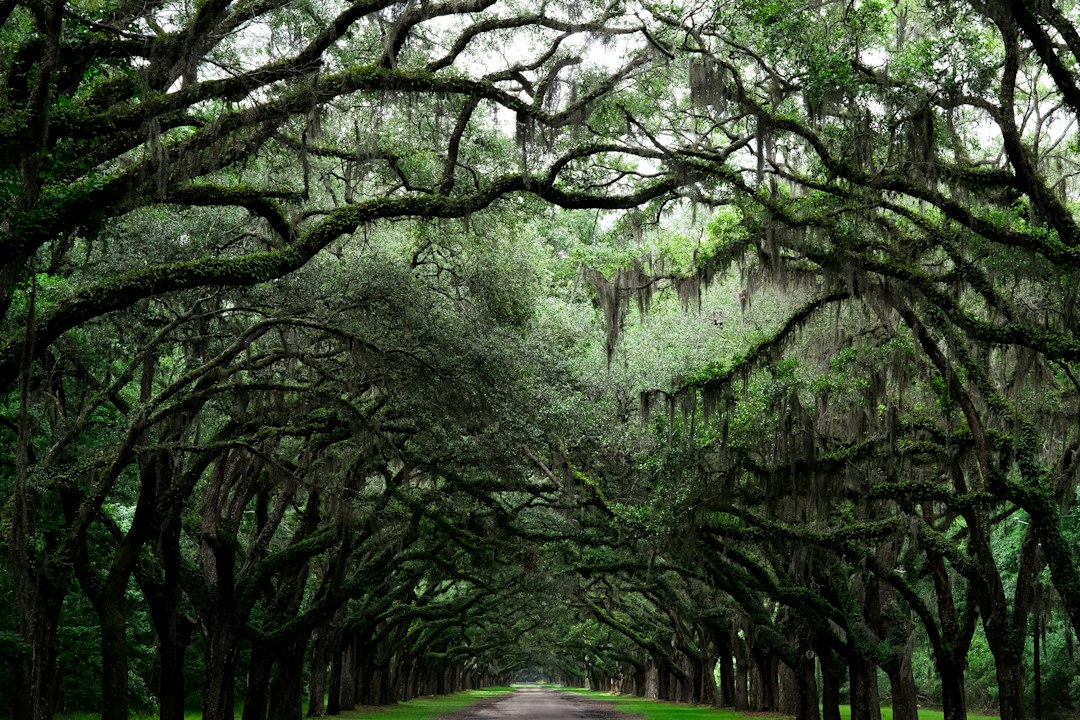
Georgia, renowned for its diverse landscapes ranging from the Appalachian Mountains to its expansive coastal plains, offers incredible opportunities for celestial enthusiasts. While major cities suffer from light pollution, escaping into the Peach State's quieter corners reveals a breathtaking canvas of stars, perfect for stargazing and night sky photography. If you're looking to capture the Milky Way or simply marvel at the cosmos, read on to discover the top locations where the stars shine brightest.
Essential Tips for Your Stargazing Adventure
Before heading out, a little preparation goes a long way to enhance your experience and photography results.
- Check the Moon Phase: Aim for a new moon or a period when the moon sets early for the absolute darkest skies.
- Monitor Weather Forecasts: Clear, cloudless skies are crucial for optimal viewing and photography.
- Minimize Light Pollution: Utilize dark sky maps or apps like Dark Sky Finder to pinpoint truly dark zones away from urban glow.
-
Gear Up:
- Red-light flashlight (to preserve night vision)
- Warm clothing (even in summer, nights can get surprisingly cool)
- Camera gear for night photography: A camera with manual settings, a wide-angle lens (f/2.8 or faster is ideal), a sturdy tripod, and a remote shutter release are indispensable.
- Star charts or astronomy apps (e.g., SkyView, Stellarium) to help identify constellations and planets.
Top Destinations for Stargazing and Night Photography in Georgia
Georgia boasts several excellent spots that offer exceptionally dark skies and stunning natural backdrops for celestial photography.
Brasstown Bald, Hiawassee
As Georgia's highest peak, Brasstown Bald offers unparalleled panoramic views, making it a prime location for both sunset and night sky observation.
- Elevation Advantage: Its high altitude helps get above some atmospheric haze, leading to clearer views.
- Dark Skies: Significantly reduced light pollution compared to lower, more populated elevations.
- Photography Potential: The observation deck provides a unique vantage point, perfect for wide-field shots of the Milky Way stretching across the horizon. Be prepared for cooler temperatures at night, even during summer.
Stephen C. Foster State Park, Okefenokee Swamp
This remote state park, nestled deep within the vast Okefenokee Swamp, is one of Georgia's official International Dark Sky Parks.
- Certified Dark Sky Park: Recognized globally for its exceptionally dark skies, offering some of the best viewing conditions in the Southeast.
- Unique Scenery: The swamp's cypress trees, Spanish moss, and reflective waters create mesmerizing foregrounds for star trails and Milky Way photography.
- Wildlife Encounters: Experience the nocturnal sounds of the swamp under a blanket of brilliant stars. Reservations are often required for overnight stays in this pristine wilderness.
Tallulah Gorge State Park, Tallulah Falls
While famous for its deep gorge, the surrounding areas of Tallulah Gorge State Park offer surprisingly dark skies, especially away from the main visitor center and its minimal lighting.
- Dramatic Landscapes: The sheer cliffs and Tallulah River provide a spectacular natural frame for astrophotography, particularly with long exposure techniques.
- Accessibility: Relatively easy to access from major North Georgia routes, making it a viable option for a dedicated night photography trip.
- Camping: Primitive campgrounds allow for extended night sky viewing opportunities. Look for areas with open views towards the north or south for optimal celestial observation.
Amicalola Falls State Park, Dawsonville
Home to Georgia's tallest cascading waterfall, Amicalola Falls provides a stunning natural backdrop for night photography, particularly in areas away from the lodge and main trailheads.
- Scenic Backdrop: The majestic waterfall itself, or views from higher elevations within the park, can be artistically incorporated into long exposure night shots.
- Forest Cover: While some areas have dense tree cover, open clearings, and designated parking areas (when permitted and sufficiently dark) can offer excellent sky views.
- Appalachian Trail Access: Located near the southern terminus of the Appalachian Trail, the surrounding wilderness contributes to generally darker skies compared to more developed areas.
Conclusion
From the majestic peaks of North Georgia to the tranquil wilderness of its southern swamps, the Peach State offers a celestial spectacle for anyone willing to venture away from city lights. Remember to plan your trip, pack accordingly, and prepare to be amazed by the stunning stargazing and night photography opportunities that await you in Georgia. Embrace the darkness, and let the cosmos unfold before your eyes!