Discover Greece Off-Season: The Ultimate Guide to Pros & Cons
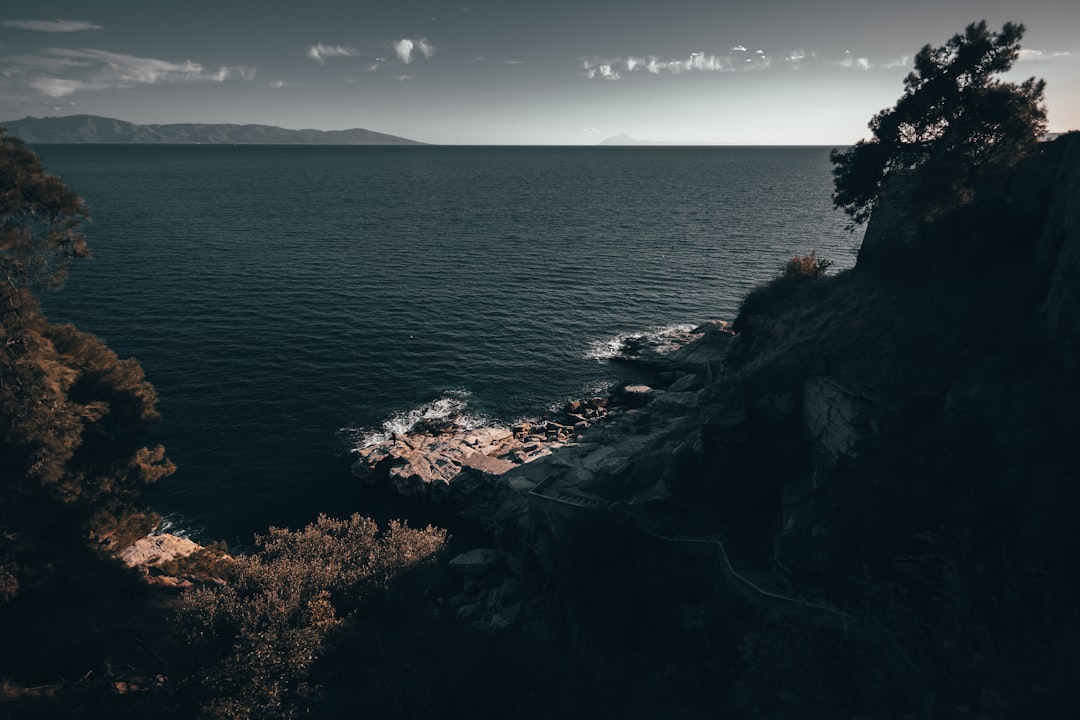
Greece, a land synonymous with sun-drenched beaches, ancient history, and vibrant culture, often comes to mind as a summer destination. But what if we told you that venturing to Greece during its off-season could unlock a completely different, perhaps even more enriching, experience? While the summer months draw massive crowds, the cooler seasons offer a unique perspective. This comprehensive guide explores the benefits and drawbacks of visiting Greece when the tourist frenzy subsides, helping you decide if off-season travel is right for your Greek adventure.
The Allure of Off-Season Greece: Major Pros
Traveling to Greece outside of peak summer promises several distinct advantages that can significantly enhance your trip.
Escape the Crowds
One of the most compelling reasons to visit Greece in the off-season is the dramatic reduction in tourist numbers.
- Enjoy peaceful exploration of world-famous ancient sites like the Acropolis in Athens or the oracle at Delphi, often with fewer people vying for the perfect photo.
- Experience the iconic villages of Santorini or Mykonos with unobstructed views and a more serene atmosphere.
- Benefit from more intimate experiences with locals, as they are less overwhelmed by the peak season rush.
Significant Cost Savings
Your travel budget will stretch further when you visit Greece in the quieter months.
- Find cheaper flights and significantly reduced accommodation rates, sometimes up to 50% less than in summer.
- Benefit from lower prices on tours, activities, and even car rentals.
- Enjoy more budget-friendly travel, allowing you to extend your stay or indulge in more experiences.
Authentic Local Experience
Without the overwhelming presence of tourists, you'll gain a deeper insight into authentic Greek life.
- Witness daily life in cities and villages as it truly unfolds, without the commercial veneer of peak season.
- Engage more deeply with Greek culture and traditions, from local tavernas to community events.
- Discover local festivals and celebrations that are not tailored for international visitors.
Enjoyable Milder Weather
For those who prefer to avoid scorching heat, the off-season offers ideal conditions.
- Perfect for hiking and exploring the country's diverse landscapes, from mountainous trails to coastal paths.
- Experience pleasant temperatures for city walks and leisurely sightseeing.
- Avoid the scorching summer heat and humidity, making prolonged outdoor activities much more comfortable.
The Challenges: Cons of Off-Season Travel to Greece
While the off-season offers many perks, it's also important to be aware of the potential drawbacks that might affect your travel plans.
Limited Services and Closures
The reduced demand in the off-season means some businesses scale back or close entirely.
- Many island resorts, hotels, and guesthouses may be shut down, particularly on smaller islands, from late October through April.
- Fewer ferry services operate, making island hopping to more remote locations potentially challenging or impossible.
- Certain restaurants, shops, and tourist-oriented businesses might operate on reduced hours or close completely, especially in smaller towns.
Unpredictable Weather
While generally milder, off-season weather can be less reliable than the consistent summer sunshine.
- Higher risk of rainy or cooler days, particularly during the winter months (November to March).
- Strong winds can occur, especially in coastal areas and on the islands, which can occasionally disrupt ferry schedules.
- Swimming in the sea might be too cold for most travelers, especially from late autumn to late spring.
Shorter Daylight Hours
As with any non-summer travel, you'll have less daylight to work with.
- Shorter days mean less time for extensive sightseeing and outdoor activities.
- Requires more strategic planning of your daily itinerary to maximize daylight hours.
Reduced Sea-Related Activities
If your Greek dream involves extensive beach time and water sports, the off-season might disappoint.
- Fewer options for boat trips, snorkeling excursions, and other water sports will be available.
- Many beach clubs and waterfront bars will be closed, particularly outside major city beaches.
- The overall emphasis shifts away from the typical beach holiday experience towards cultural exploration and land-based activities.
Is Off-Season Greece Right for You?
Visiting Greece during the off-season can be an incredibly rewarding experience for the right traveler. If you prioritize lower costs, fewer crowds, and a more authentic cultural immersion, and don't mind the potential for cooler weather or limited services, then off-season Greece could be your perfect escape. However, if your ideal trip revolves around consistent sunshine, bustling beaches, and non-stop tourist amenities, the summer months might still be your best bet. With careful planning and an adventurous spirit, exploring Greece in its quieter moments promises unforgettable memories and a fresh perspective on this timeless destination.