Discover Japan's Hidden Gems: A Guide to Its Most Beautiful Valleys
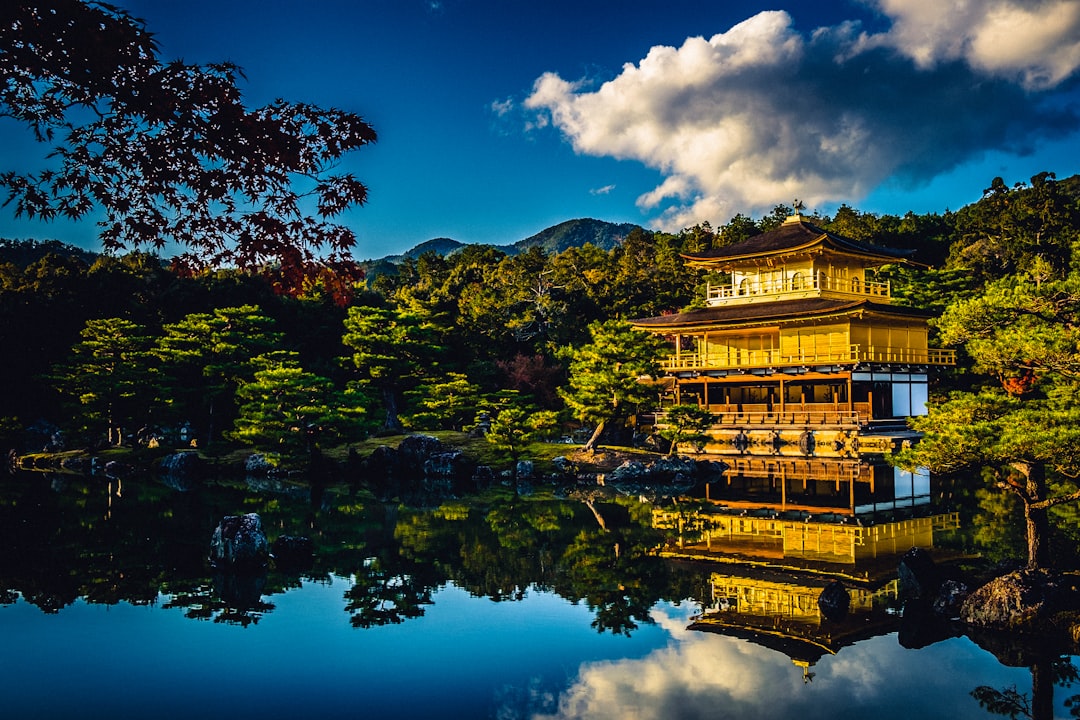
Japan, a nation celebrated for its bustling cities and rich cultural heritage, also harbors a breathtaking natural side often overlooked: its magnificent valleys. These serene landscapes offer a profound escape into nature, showcasing everything from dramatic gorges carved by ancient rivers to pristine alpine environments. For travelers seeking tranquility, adventure, and unparalleled scenic beauty, exploring Japan's valleys is an absolute must. Dive into this guide to uncover some of the most captivating valleys Japan has to offer, promising unforgettable experiences and stunning photo opportunities.
Kurobe Gorge: The Grand Canyon of Japan
Nestled deep within the Japanese Alps, Kurobe Gorge in Toyama Prefecture is often dubbed "Japan's Grand Canyon." This majestic, V-shaped gorge is one of the deepest in Japan, famed for its rugged beauty and the iconic Kurobe Gorge Railway.
Location & Accessibility
The gorge is primarily accessed via the Kurobe Gorge Railway, a charming narrow-gauge train that winds through tunnels and over bridges, offering spectacular views. It's an integral part of the larger Tateyama Kurobe Alpine Route.
Scenic Highlights
Experience the thrill of traversing the gorge with its vibrant autumn foliage, deep emerald rivers, and towering cliffs. Along the route, stop at various stations to explore hot springs like Kuronagi Onsen and enjoy short hikes to scenic viewpoints. The contrast of the turquoise waters against the changing leaves is simply mesmerizing.
Activities
- Scenic train rides on the open-air carriages for panoramic views.
- Hiking trails of varying difficulty from accessible walkways to more challenging paths.
- Relaxing in remote hot springs (onsen) nestled within the gorge.
Iya Valley: Shikoku's Secluded Sanctuary
The Iya Valley in Tokushima Prefecture, Shikoku Island, is one of Japan's most remote and enchanting regions. Known for its steep mountainsides, deep ravines, and traditional atmosphere, it offers a glimpse into a bygone era.
Location & Charm
This hidden gem is characterized by its isolation, which has preserved its unique culture and stunning natural beauty. The valley is famous for its legendary vine bridges, clear rivers, and a tranquil rural landscape.
Unique Features
- Kazurabashi (Vine Bridges): Ancient, hand-woven suspension bridges that sway precariously above the gorge, offering an exhilarating crossing.
- Oboke and Koboke Gorges: Dramatic gorges perfect for white-water rafting and sightseeing cruises.
- Traditional thatch-roofed houses and scenic drives through winding mountain roads.
Experiencing Iya
- Crossing the thrilling vine bridges.
- Enjoying white-water rafting or a leisurely boat ride on the clear Iya River.
- Exploring the remote hamlets and soaking in the hot springs.
Kamikochi: Jewel of the Japanese Alps
Kamikochi, situated in Nagano Prefecture within the Chubu Sangaku National Park, is a pristine highland valley revered for its stunning alpine scenery. Often called a "special natural monument," it's a gateway to the Hotaka Mountains and a paradise for hikers.
Pristine Alpine Beauty
This valley boasts crystal-clear waters of the Azusa River, lush forests, and majestic peaks. Its beauty is so profound that it's protected, with private car access restricted during its open season (typically April to November).
Must-See Sights
- Kappa Bridge: An iconic wooden suspension bridge offering postcard-perfect views of the surrounding peaks and the Azusa River.
- Myojin Pond: A tranquil pond often shrouded in mist, offering serene reflections of the Hotaka Mountains.
- Taisho Pond: Formed by an eruption of Mt. Yakedake, featuring dead trees standing in the water, creating a surreal landscape.
Activities
- Hiking trails ranging from easy riverside strolls to challenging mountain climbs.
- Nature photography of the unparalleled alpine landscapes.
- Enjoying the fresh air and pristine natural environment.
Takachiho Gorge: Mythical Beauty in Kyushu
In Miyazaki Prefecture, Takachiho Gorge captivates visitors with its sheer, columnar cliffs and the dramatic Manai Waterfall cascading directly into the river below. This valley is steeped in Japanese mythology and offers a truly unique experience.
Geological Wonders
The gorge was formed by the erosive power of the Gokase River cutting through volcanic basalt columns, which were created by ancient lava flows. These striking formations rise vertically from the river, creating a dramatic, narrow canyon.
Unforgettable Experience
The highlight is undeniably renting a rowboat to navigate the emerald waters of the gorge, allowing you to get up close to the impressive basalt formations and directly beneath the Manai Waterfall.
Cultural Significance
Takachiho is considered a sacred place, central to many ancient Japanese myths, including the legend of Amaterasu, the sun goddess. Shinto shrines dot the area, adding to its spiritual allure.
Oirase Gorge: A Symphony of Waterfalls and Forest
Located in Aomori Prefecture, as part of the Towada-Hachimantai National Park, Oirase Gorge is a mesmerizing river valley connecting Lake Towada with the Pacific Ocean. It's famous for its countless waterfalls and lush primeval forest.
Tohoku's Natural Art
The Oirase Stream meanders through a dense forest, creating a picturesque setting where rapids, moss-covered rocks, and numerous waterfalls abound. It's particularly stunning during autumn, when the leaves turn brilliant shades of red, orange, and gold.
Stunning Scenery
- Waterfalls: Including Choshi Otaki, Kumoi no Taki, and Ashura no Nagare, each with its unique charm.
- Moss and flora: The moist environment supports a rich ecosystem of mosses, ferns, and diverse plant life.
- Vibrant autumn leaves: A top destination for fall foliage viewing in Tohoku.
Exploration
A well-maintained walking path runs along the entire length of the gorge (about 14 km), offering easy access to all its scenic spots. Cycling is also a popular way to explore the area.
Planning Your Valley Adventure in Japan
To make the most of your journey into Japan's natural heartland, consider these practical tips.
Best Time to Visit
- Spring (late April-May): Enjoy fresh greenery and pleasant temperatures.
- Summer (June-August): Lush landscapes, ideal for hiking and outdoor activities (be aware of humidity and rain).
- Autumn (October-early November): Spectacular fall foliage makes these valleys explode with color, making it the most popular time to visit.
- Winter (December-March): Many valleys become inaccessible or are covered in snow, though some offer unique snowy landscapes.
Essential Packing Tips
- Comfortable walking shoes or hiking boots are crucial.
- Layers of clothing to adapt to changing temperatures.
- Rain gear (jacket, umbrella) as mountain weather can be unpredictable.
- Camera and extra batteries/power bank for capturing the beauty.
- Insect repellent for summer visits.
Travel & Accommodation
- Public transport: Utilize Japan's efficient train network (Shinkansen, local trains) combined with local buses to reach valley entrances. Research specific routes in advance.
- Rental cars: For more remote valleys like Iya, a rental car offers greater flexibility and allows you to explore at your own pace.
- Book accommodations in advance, especially during peak seasons, as options might be limited in rural areas. Look for ryokan (traditional inns) or guesthouses for an authentic experience.
Conclusion: Your Gateway to Japan's Natural Splendor
Japan's valleys offer a profound contrast to its urban centers, inviting travelers to immerse themselves in breathtaking natural beauty and serene landscapes. From the dramatic cliffs of Kurobe Gorge to the mythical allure of Takachiho, each valley presents a unique adventure. By venturing beyond the well-trodden tourist paths, you'll discover a side of Japan that is raw, majestic, and utterly unforgettable. Embark on your valley adventure and unlock the natural wonders that await.