Discover the Vibrant Traditional Music & Dance of Northern Cyprus
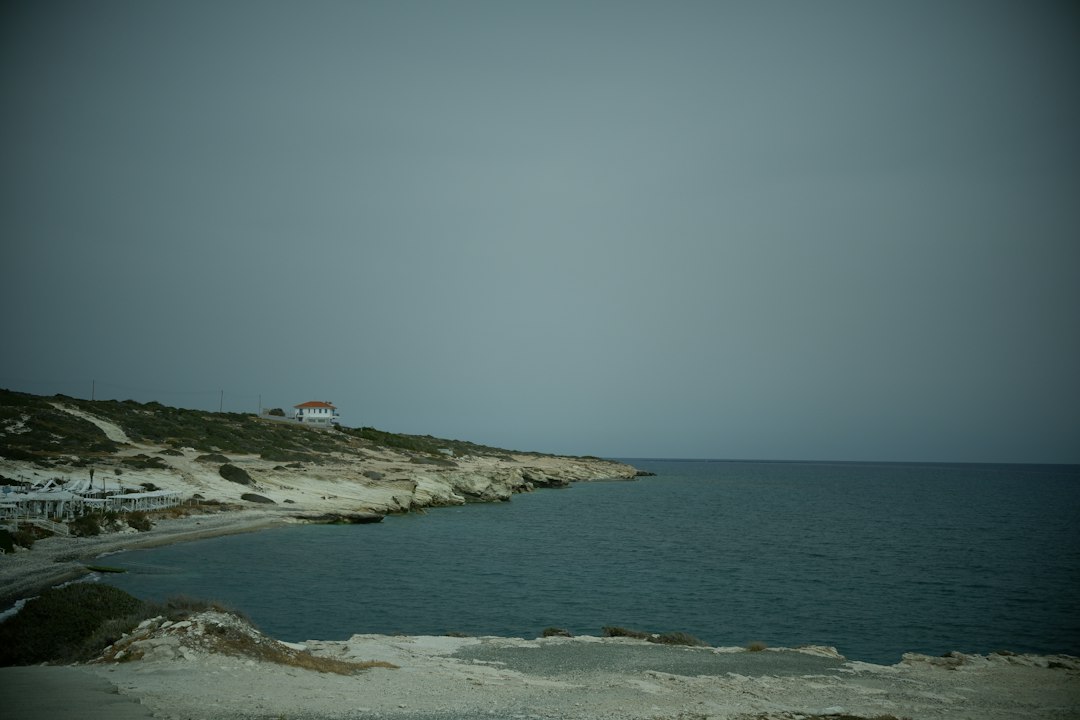
Northern Cyprus, a land steeped in history and natural beauty, also boasts a rich and often overlooked cultural heritage. At the heart of this heritage lies its traditional music and dance, a captivating blend of influences that tell stories of resilience, joy, and community. Exploring these art forms offers a unique window into the soul of the Turkish Cypriot people and their deep connection to their past.
The Melodies of Northern Cyprus: A Soundscape of Heritage
The traditional music of Northern Cyprus is a mosaic of sounds, reflecting centuries of interaction between different cultures. It carries echoes of Anatolian folk music, Ottoman classical traditions, and even Greek Cypriot influences, all woven into a distinctly Cypriot fabric. These melodies are often deeply emotional, ranging from mournful ballads to lively celebratory tunes.
Instruments that Sing Stories
The unique soundscape of Cypriot music is largely defined by its traditional instruments, each playing a vital role in creating its characteristic warmth and rhythm.
- Oud: This pear-shaped, stringed instrument is often considered the soul of Middle Eastern and Mediterranean music, and its melancholic yet rich tones are central to many Cypriot folk songs.
- Davul & Zurna: The powerful davul (large drum) paired with the piercing, reedy sound of the zurna (double-reed wind instrument) creates an unmistakable, energetic sound, particularly prominent at festivals and outdoor celebrations.
- Darbuka: A goblet-shaped drum, the darbuka provides intricate rhythmic patterns, adding a vibrant percussive layer to ensembles.
- Violin and Clarinet: These instruments, though more modern additions, have been thoroughly integrated into traditional Cypriot ensembles, often carrying the melody with distinctive embellishments.
Unique Musical Characteristics
Turkish Cypriot music is characterized by its use of specific scales (makams) and rhythmic cycles. It often features improvisation (taksim), where a musician can freely explore a makam, showcasing their skill and emotional depth before the main melody begins. Lyrics frequently touch upon themes of love, longing, village life, and historical events, preserving stories through song.
Rhythmic Steps and Storytelling Dances
Cypriot folk dance is a living expression of communal spirit and cultural identity. More than just movements, these dances are vibrant narratives, each step and gesture imbued with meaning and history. They are performed at weddings, festivals, and social gatherings, uniting participants and spectators alike.
Iconic Dance Forms
The traditional dances of Northern Cyprus are diverse, reflecting various social contexts and historical periods.
- Zeybek: Originating from Anatolia, the Zeybek dance is a powerful and slow-paced male dance, often performed solo or in small groups. It symbolizes bravery, pride, and freedom, characterized by its majestic, eagle-like arm movements and deep squats.
- Karsilama: Meaning "face-to-face" or "encounter," Karsilama is a lively and joyful dance typically performed by couples. It’s a dance of flirtation and interaction, with quick steps and vibrant energy, commonly seen at weddings and celebrations.
- Sirtos & Tsifteteli: While sharing similarities with broader regional dances, Cypriot Sirtos has its own unique local flair, often performed in a circle. The Tsifteteli, known for its improvisational and expressive movements, particularly by women, also finds its place in Cypriot traditional performances.
- Harmandalı: A specific form of Zeybek, often faster and more elaborate, showcasing the dancer's agility and stamina.
The Cultural Significance of Dance
For Turkish Cypriots, dance is a vital tool for preserving cultural heritage. It’s not merely entertainment but a communal ritual that strengthens social bonds, passes traditions to younger generations, and expresses shared emotions. The costumes worn during these dances – often colorful, embroidered, and historically accurate – are themselves an important part of the cultural display.
Experiencing Northern Cyprus's Cultural Heartbeat
To truly appreciate the traditional music and dance of Northern Cyprus, one must experience it firsthand. Visitors can seek out opportunities at:
- Local Festivals: Throughout the year, various villages and towns host festivals (e.g., Olive Festival, Orange Festival) that prominently feature traditional music and dance performances.
- Cultural Centers: Many towns have cultural centers that organize events, workshops, and performances dedicated to Cypriot folk arts.
- Traditional Restaurants: Some local restaurants offer evenings with live traditional music, providing an authentic ambiance.
- Weddings and Celebrations: If fortunate enough to be invited to a local wedding or special celebration, you’ll witness these traditions in their most natural and vibrant setting.
Exploring the traditional music and dance of Northern Cyprus offers an unforgettable journey into the heart of its people and their enduring cultural identity. It’s a vibrant tapestry of sounds and movements that continues to thrive, inviting everyone to partake in its beauty and spirit.