Essential Guide: Staying Healthy and Sickness-Free in Cameroon
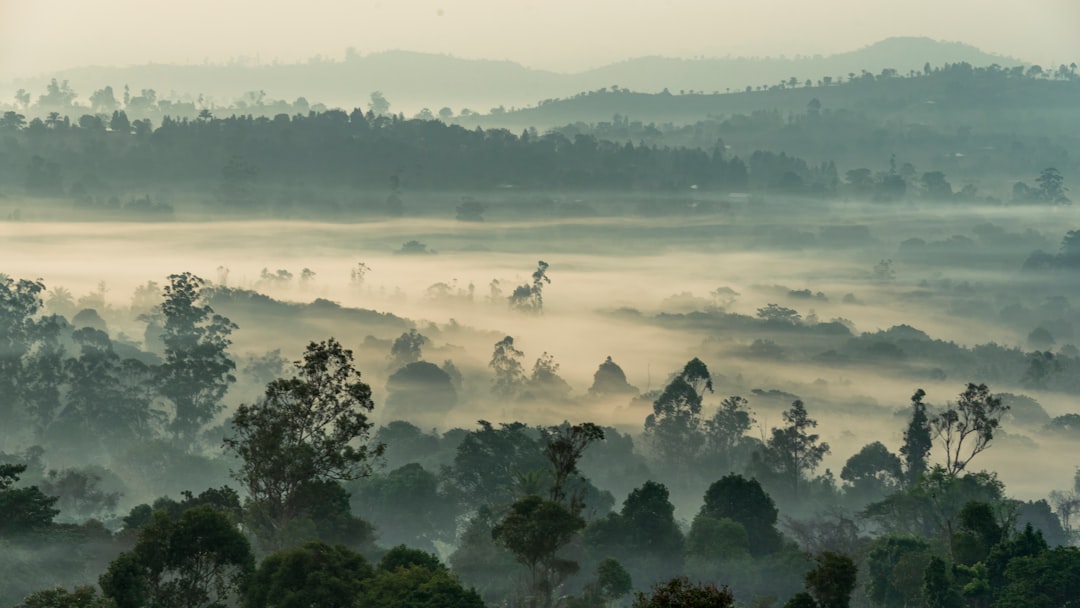
Cameroon, often celebrated as "Africa in Miniature" for its incredible diversity, offers a rich tapestry of culture and natural beauty. Whether you're a long-term resident, a digital nomad, or a visitor exploring its vibrant cities and stunning landscapes, prioritizing your health is paramount. Navigating daily life while avoiding common illnesses requires proactive steps, awareness, and adherence to best practices. This comprehensive guide provides practical tips and essential advice to help you stay vibrant, healthy, and sickness-free during your time in Cameroon.
Proactive Disease Prevention: Vaccinations and Medications
One of the most effective ways to safeguard your health in Cameroon is through immunization and preventive medication. Consult your healthcare provider well in advance of your travel or stay.
-
Key Vaccinations:
- Yellow Fever: A mandatory vaccine for entry into Cameroon; always carry your Yellow Fever vaccination card.
- Typhoid: Highly recommended, especially if you plan to eat outside well-established restaurants or travel to rural areas.
- Hepatitis A & B: Important for protection against food and waterborne diseases (Hep A) and bodily fluid transmission (Hep B).
- Tetanus, Diphtheria, Pertussis (TDAP): Ensure your routine vaccinations are up-to-date.
- Rabies: Consider if you'll be spending extended time outdoors, working with animals, or in remote areas where medical access is limited.
- Polio and Measles, Mumps, Rubella (MMR): Verify these routine vaccinations are current.
-
Malaria Prophylaxis:
- Malaria is prevalent throughout Cameroon. Consult your doctor about anti-malarial medication (e.g., Malarone, Doxycycline, Lariam) before your trip.
- Strictly follow the prescribed dosage and duration of your medication, even after leaving malaria-risk areas, to ensure maximum effectiveness.
Mastering Food and Water Safety in Cameroon
Contaminated food and water are primary sources of illness, particularly traveler's diarrhea. Adhering to strict food and water hygiene is crucial for your well-being.
Safe Drinking Water Practices
- Always drink bottled water from reputable brands with an unbroken seal. Check the expiry date.
- If bottled water isn't available, boil water vigorously for at least 1 minute or use a reliable water filter designed to remove bacteria and viruses, followed by chemical purification.
- Avoid ice in drinks unless you are absolutely certain it was made from purified water.
- Be cautious with tap water, even for brushing teeth. Use bottled water instead.
Smart Food Choices for Healthy Eating
- Eat hot, freshly cooked food. Avoid food that has been sitting out at room temperature for extended periods.
- Peel all fruits yourself (e.g., oranges, bananas, papayas, pineapples).
- Avoid raw salads and unpeeled fruits from street vendors, as they may have been washed in unsafe water.
- Choose well-cooked meat and fish. Ensure it's thoroughly cooked and hot when served.
- Be wary of dairy products unless you are certain they are pasteurized.
- Wash your hands thoroughly with soap and clean water before handling or eating food.
Essential Personal Hygiene and Environmental Awareness
Good personal habits significantly reduce your risk of infection and can make a big difference in staying healthy.
-
Hand Hygiene:
- Wash your hands frequently and thoroughly with soap and water, especially after using the restroom, before eating, and after touching common surfaces.
- Carry an alcohol-based hand sanitizer (at least 60% alcohol) for times when soap and water aren't readily available.
-
Mosquito Protection (Beyond Medication):
- Sleep under an insecticide-treated mosquito net every night, even if you are using anti-malarial medication.
- Use insect repellent containing DEET, Picaridin, or oil of lemon eucalyptus on exposed skin, especially at dusk and dawn, and during the day in areas with high mosquito activity.
- Wear long-sleeved shirts and long trousers in the evenings to minimize skin exposure to mosquitoes.
- Ensure your accommodation has intact window and door screens.
-
Sun Protection:
- The Cameroonian sun can be intense. Use sunscreen with a high SPF, wear a wide-brimmed hat, and sunglasses.
- Seek shade during the hottest parts of the day (typically 10 am to 4 pm) to avoid sunstroke and heat exhaustion.
-
Animal Contact:
- Avoid contact with stray animals, including dogs, cats, and monkeys, due to the risk of rabies and other diseases.
- If bitten or scratched by an animal, seek medical attention immediately for post-exposure prophylaxis.
Preparing for Health Emergencies
Despite all precautions, emergencies can happen. Being prepared can make a critical difference.
-
Travel Health Insurance:
- Ensure you have comprehensive travel health insurance that covers medical emergencies, including medical evacuation, before you depart. Verify that it covers Cameroon specifically.
-
Personal First-Aid Kit:
- Pack a basic yet comprehensive first-aid kit with essentials like bandages, antiseptic wipes, pain relievers, anti-diarrhea medication (e.g., Imodium), oral rehydration salts, and any personal prescription medications (with a doctor's note).
-
Local Medical Resources:
- Research reputable clinics or hospitals in your area of stay beforehand. Save their contact details and locations.
- Know the local emergency numbers (e.g., police, ambulance). Your hotel or local contacts can often provide this information.
Conclusion
Staying healthy in Cameroon is highly achievable with a proactive approach and diligent adherence to these guidelines. By focusing on recommended vaccinations, practicing safe food and water hygiene, maintaining diligent personal hygiene, and being prepared for emergencies, you can significantly reduce your risk of illness. Embrace the vibrant culture and breathtaking landscapes of Cameroon with the peace of mind that you've taken the necessary steps to protect your well-being. Your health is your greatest asset—take good care of it!