Guam Cultural Etiquette: Your Essential Tourist Guide to Respectful Travel
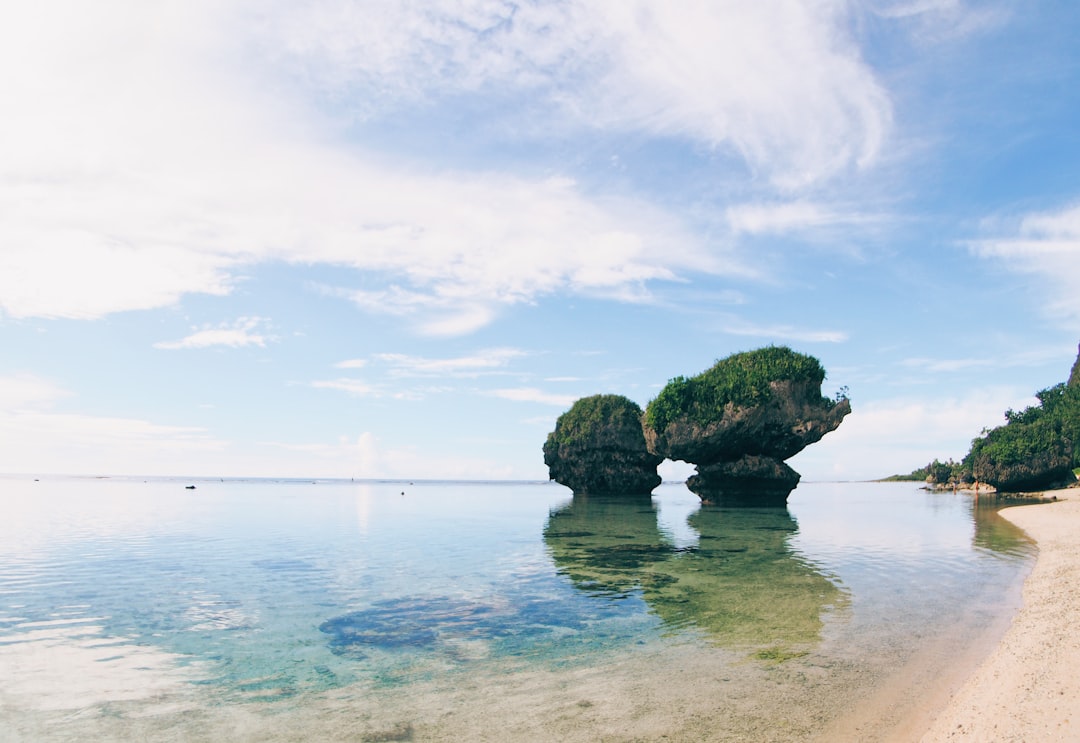
Guam, a captivating island in Micronesia, offers an unparalleled blend of stunning natural beauty, rich history, and a vibrant Chamorro culture. As a visitor, understanding and respecting the local customs isn't just a matter of politeness—it's fundamental to experiencing an authentic and deeply rewarding journey. This guide provides essential Guam cultural etiquette tips, ensuring your visit is both enjoyable and respectful of the island's unique heritage.
Embracing the Håfa Adai Spirit
The Håfa Adai spirit is the cornerstone of Guam's hospitality, embodying warmth, friendliness, and profound respect. It's more than just a greeting; it’s a way of life that permeates daily interactions.
The Power of Håfa Adai
- Always greet locals with a warm "Håfa Adai" (pronounced Hah-fah Ad-day). This simple gesture shows immediate respect and openness.
- Be ready to return the greeting with a smile; it's a fundamental part of Chamorro hospitality.
Respect for Elders
- Elders are highly revered in Chamorro society. Always show deference by speaking respectfully, listening attentively, and offering assistance when appropriate.
- It's customary to acknowledge elders first in social settings.
Modest Dress
- While beachwear is perfectly acceptable on the sand, opt for more modest attire when visiting villages, churches, or government buildings.
- Generally, covering your shoulders and knees is a sign of respect in these more formal settings.
Navigating Social Interactions and Settings
Understanding local norms, from dining to visiting homes, significantly enhances your interactions and avoids potential misunderstandings.
Visiting Homes and Villages
- Remove Your Shoes: It’s customary to remove your shoes before entering someone's home. Look for other shoes at the entrance as a cue.
- Small Gifts: Bringing a small gift (e.g., fruit, dessert, or a token from your home country) as a gesture of appreciation is always welcome, especially if you're invited for a meal.
- Ask Permission: Always ask permission before taking photos of people, especially children, or their private property.
Dining Customs
- Wait to be Seated: In many traditional settings, wait to be invited to sit, and allow elders to serve themselves first.
- Don't Waste Food: Food is often considered a blessing. Avoid wasting food on your plate.
- Offer to Help: If dining at someone's home, offering to help with preparations or cleaning up afterwards is a kind gesture, though it might be politely declined.
Public Behavior
- Maintain Politeness: A friendly demeanor and polite language go a long way.
- Keep Your Voice Down: Be mindful of noise levels, especially in quiet areas or residential neighborhoods.
- Public Displays of Affection: Keep public displays of affection discreet and minimal.
Basic Chamorro Phrases and Non-Verbal Cues
Learning a few local phrases and understanding common body language can significantly bridge cultural gaps and enrich your Guam tourist experience.
Key Chamorro Phrases
- Håfa Adai: Hello/Welcome
- Si Yu'os Ma'åse': Thank You (pronounced See Zhoos Mah-ah-see)
- Dispensa Yu': Excuse Me/Pardon Me
- Adios: Goodbye (also a common Spanish-influenced farewell)
Non-Verbal Cues
- Chin Pointing: Locals might subtly point with their chin instead of their finger. This is a common and respectful gesture.
- Nodding: A slight nod of the head is often used as a respectful acknowledgement.
- Eye Contact: While direct eye contact is generally acceptable, prolonged staring can be perceived as aggressive or disrespectful.
Respecting Guam's Heritage and Environment
Guam's natural beauty and historical sites are treasures to be protected and revered. Your actions can help preserve them for future generations.
Historical and Religious Sites
- Dress Appropriately: When visiting churches or ancient Latte Stone sites, ensure you are dressed modestly.
- Maintain Silence: Show respect by keeping noise levels down and observing designated quiet areas.
- Do Not Touch or Remove Artifacts: Leave no trace and do not disturb any historical artifacts or structures. They are legally protected.
Natural Wonders
- Protect Marine Life: When snorkeling or diving, do not touch corals or marine animals. Observe from a distance to protect fragile ecosystems.
- Leave No Trace: Carry out everything you carry in. Do not litter on beaches, trails, or parks. Use designated trash receptacles.
- Stay on Marked Trails: This helps protect fragile ecosystems and ensures your personal safety.
By familiarizing yourself with these essential Guam cultural etiquette guidelines, you'll not only enhance your own travel experience but also show genuine respect for the Chamorro people and their cherished home. Embrace the Håfa Adai spirit, and your visit to Guam will be truly unforgettable and deeply rewarding. Enjoy your trip to Guam!