How to Experience Guam’s Rich Literary History
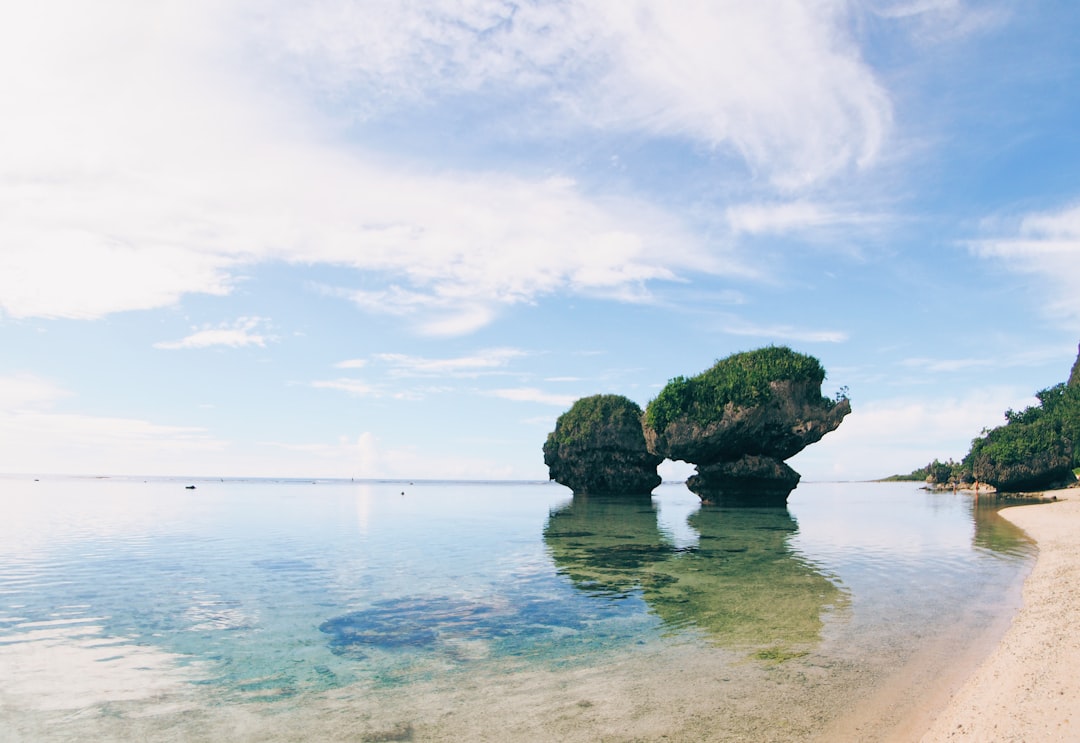
Guam, a gem in the Pacific, is often celebrated for its stunning beaches and vibrant Chamorro culture. Beyond the picturesque landscapes lies a profound and rich literary history waiting to be explored. This island's narratives, shaped by centuries of oral traditions, colonial influences, and a resilient spirit, offer a unique window into its soul. Discovering Guam's literary heritage is an immersive journey that deepens your appreciation for this captivating island.
Discovering Guam's Literary Roots
To truly understand Guam's written and spoken words, it’s essential to delve into its historical and cultural foundations.
Ancient Oral Traditions and Chamorro Storytelling
Before the advent of widespread literacy, Chamorro oral traditions were the bedrock of knowledge, entertainment, and cultural preservation. Generations passed down Chamorro legends, chants (kantan Chamorrita), and folktales that explained the world, taught moral lessons, and celebrated heroes.
- Legends of Creation: Stories like the legend of Puntan and Fu'una, explaining the creation of the world and humanity, are central to the Chamorro worldview.
- Spirituality and Mythology: Tales of taotaomo'na (ancient spirits) and other supernatural beings reflect the deep spiritual connection of the Chamorro people to their land.
- Everyday Wisdom: Proverbial sayings and fables provided guidance for daily life and communal harmony.
These narratives form the very DNA of Guam literature, influencing themes and storytelling styles even today.
The Impact of Colonialism on Guam's Narratives
Guam's history under Spanish, American, and Japanese rule profoundly shaped its literary output. Each colonial power introduced new languages, writing systems, and worldviews, leading to a complex tapestry of voices.
- Spanish Era: Early written records often came from missionaries and chroniclers, but the Chamorro language continued to thrive in oral forms, sometimes incorporating Spanish words.
- American Era: English became a dominant language, and Chamorro authors began to publish works reflecting a blend of cultures, addressing themes of assimilation, resistance, and the struggle to preserve identity.
- Post-War and Modern Era: The post-World War II period saw a rise in Chamorro literary expression as authors grappled with war trauma, political status, and the ongoing quest for self-determination.
Key Authors and Must-Read Works
Engaging with the literary works themselves is the most direct way to experience Guam's narratives. While the body of published works may be smaller than larger nations, its impact is profound.
Voices of Identity and Resilience
Guam authors often explore themes central to the island's experience: Chamorro identity, cultural preservation, the beauty of the island, and the challenges of a rapidly changing world.
- Memoirs and Autobiographies: Many works offer personal reflections on growing up Chamorro, navigating cultural shifts, and living through historical events. These provide intimate insights into the Guam experience.
- Poetry: Chamorro poets use vivid imagery to capture the essence of island life, from the lush landscapes to the resilience of its people. Chamorro poetry is a powerful medium for emotional expression and cultural affirmation.
- Historical Fiction: Authors bring historical events and figures to life, often re-examining colonial narratives from a Chamorro perspective.
- Contemporary Works: Modern Guam literature addresses current issues such as environmental conservation, social justice, and the evolving relationship between Guam and the United States.
To start your literary journey, seek out works by prominent figures like Robert A. Underwood, who has contributed significantly to Chamorro language preservation and historical analysis, or authors who document Chamorro cultural traditions and modern life.
Experiencing Literary Guam Beyond Books
Guam's literary history isn't confined to pages; it's woven into the fabric of the island itself.
Literary Landmarks and Cultural Sites
Visit places that hold stories and provide context for Guam's literary heritage.
- Guam Museum (Senator Antonio M. Palomo Guam Museum & Educational Facility): This modern museum offers extensive exhibits on Chamorro history, culture, and art, providing a crucial backdrop for understanding the island's narratives.
- University of Guam's Richard F. Taitano Micronesian Area Research Center (MARC): A treasure trove for researchers and curious minds, MARC houses a vast collection of historical documents, oral histories, and published works related to Guam and Micronesia.
- Public Libraries: Local public libraries often have dedicated sections for Guam authors and Chamorro language resources, offering accessible entry points into the literary scene.
- Ancient Chamorro Village Sites: Exploring historical sites and ancient villages connects you to the landscapes where many oral traditions originated.
Engaging with the Local Literary Scene
Participating in local events and connecting with the community can enrich your experience.
- Local Bookstores and Gift Shops: Look for shops that stock books by Guam authors, often featuring unique titles not found elsewhere.
- Literary Events: Keep an eye out for book readings, author talks, poetry slams, and writing workshops organized by the University of Guam, local libraries, or cultural organizations.
- Cultural Festivals: Festivals are vibrant platforms where Chamorro storytelling, traditional dances, and chants are performed, keeping ancient traditions alive.
- University of Guam Classes: Consider auditing or attending public lectures related to Guam history, Chamorro language, or Micronesian literature for deeper academic insight.
Experiencing Guam's rich literary history is more than just reading books; it’s about listening to the land, understanding its people, and appreciating the enduring power of its stories. From ancient legends to contemporary voices, Guam literature offers a compelling narrative of resilience, identity, and the indomitable spirit of the Chamorro people. Embark on this literary adventure and discover the profound depths of this Pacific island.