Iceland's Best Beaches: Sun, Surf, and Unforgettable Sands
Iceland might not immediately spring to mind when you think of sun-drenched beaches and warm ocean swims. Yet, this land of fire and ice boasts some of the most dramatic, unique, and breathtaking coastlines on Earth. Forget the typical palm trees; Iceland offers volcanic black sands, glacial ice diamonds, and towering basalt columns that create a truly unparalleled beach experience. Prepare to explore coastlines where nature's raw power and ethereal beauty collide, promising an adventure far beyond a simple day at the beach.
Iconic Black Sand Beaches: Where Fire Meets Ice
Iceland's volcanic activity has blessed it with striking black sand beaches, a stark contrast to the white or golden sands found elsewhere. These are not just beautiful; they tell a story of geological forces at play.
Reynisfjara Black Sand Beach
Often topping lists of the world's most beautiful non-tropical beaches, Reynisfjara near Vik is an absolute must-see. Its striking black volcanic sand, dramatic basalt column cliffs (resembling a giant's causeway), and the formidable Reynisdrangar sea stacks rising from the Atlantic are truly awe-inspiring. While incredibly photogenic, visitors must exercise extreme caution due to powerful and unpredictable sneaker waves that can pull unsuspecting individuals into the freezing ocean. Always keep a safe distance from the water's edge.
Diamond Beach (Jökulsárlón)
Adjacent to the famous Jökulsárlón Glacier Lagoon, Diamond Beach is where ancient ice meets black sand. Here, icebergs from the Vatnajökull glacier calve into the lagoon and then drift out to sea, eventually washing ashore. These crystalline chunks of ice, ranging from tiny shards to massive blocks, glisten like diamonds against the black sand, creating an otherworldly landscape that changes with every tide. It's a photographer's dream and a truly magical experience.
Unique Coastal Gems for Adventure Seekers
Beyond the most famous black sand shores, Iceland offers a variety of captivating beaches, each with its own distinct character and appeal.
Djúpalónssandur & Dritvík, Snaefellsnes Peninsula
Located on the rugged Snaefellsnes Peninsula, Djúpalónssandur is a historic and atmospheric beach. It's famous for its smooth, dark pebbles and the scattered rusty remains of a British trawler shipwreck, adding a haunting beauty to the landscape. Nearby, Dritvík was once a bustling fishing village. Both beaches are notable for their "lifting stones" which local fishermen once used to test their strength – try lifting them if you dare!
Stokksnes (Vestrahorn), East Iceland
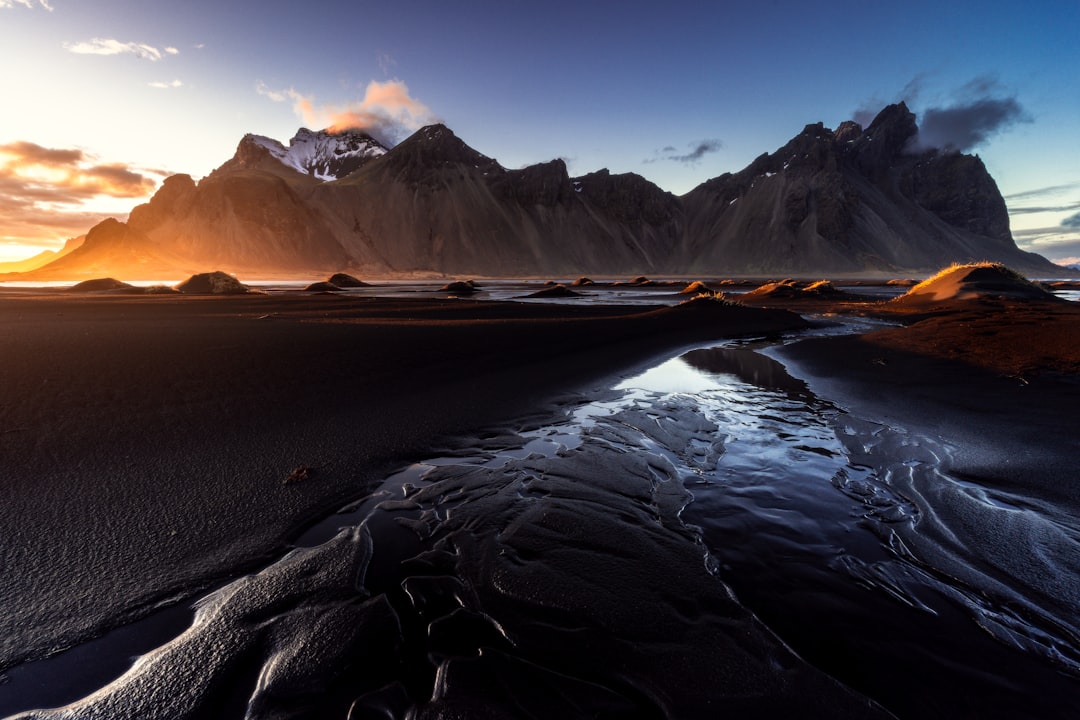
For dramatic beauty, Stokksnes at the foot of the Vestrahorn mountain is unparalleled. This black sand beach is flanked by the jagged, almost unreal peaks of Vestrahorn, often referred to as "Batman Mountain." The area offers incredible photographic opportunities, especially at sunrise or sunset, with black sand dunes and a mysterious Viking Village film set nearby.
Ytri Tunga Beach, Snaefellsnes Peninsula
If wildlife viewing is on your agenda, Ytri Tunga is the beach to visit. This golden-sanded beach (a rarity in Iceland!) is renowned for its seal colony. During the summer months, particularly July and August, you can often spot both harbour seals and grey seals basking on the rocks and sand. Remember to keep a respectful distance and bring binoculars for the best views.
Beyond the Sand: What to Expect from Icelandic Beaches
When thinking "sun, surf, and sand" in Iceland, it's crucial to adjust your expectations from a tropical paradise to a wild, raw, and exhilarating natural wonder.
- Sun: While Iceland enjoys incredibly long daylight hours in summer (the midnight sun), don't expect scorching temperatures. The sun is often accompanied by cool breezes, and weather can change rapidly.
- Surf: The North Atlantic provides powerful and consistent waves, making Iceland a unique destination for cold water surfing for the most experienced and well-equipped surfers. However, for most visitors, the "surf" is about appreciating the dramatic power of the ocean rather than riding waves. Strong currents are common and dangerous.
- Temperature & Conditions: The ocean water in Iceland is perilously cold year-round. Swimming is generally not recommended and can be extremely dangerous due to the cold, strong currents, and unpredictable waves. Dress in warm, waterproof layers regardless of the season.
Planning Your Icelandic Beach Adventure
To make the most of your visit to Iceland's spectacular coastlines, a little preparation goes a long way.
Best Time to Visit
- Summer (June-August): Offers the longest daylight hours, milder temperatures, and easier road conditions. Ideal for exploring and wildlife viewing.
- Winter (October-March): Provides a dramatic, stark beauty, fewer crowds, and potential for witnessing the Northern Lights dancing over the black sands. Road conditions can be challenging.
Essential Gear
- Warm, waterproof, and windproof clothing: Layers are key.
- Sturdy, waterproof hiking boots: Essential for navigating rocky and sandy terrains.
- Camera: To capture the breathtaking landscapes.
- Binoculars: Especially useful for spotting seals at Ytri Tunga or seabirds nesting on cliffs.
- A thermos with a warm drink: A perfect companion for a chilly beach stroll.
Safety First!
- Never turn your back on the ocean: Sneaker waves are a serious threat, especially at Reynisfjara and other open beaches.
- Heed warning signs: They are there for your safety.
- Maintain a safe distance: From the water's edge, cliffs, and wildlife.
- Check weather forecasts: Before heading out, as conditions can change rapidly.
- Avoid swimming: The cold water and strong currents are extremely dangerous.
Iceland's beaches are a testament to the island's untamed natural beauty. They offer an experience that is rugged, inspiring, and utterly unforgettable. So pack your layers, respect the power of nature, and prepare to be mesmerized by the sun, the dramatic surf, and the truly unique sands of Iceland.