Isle of Man Wildlife Wonders: The Ultimate Guide to Top Spotting Locations
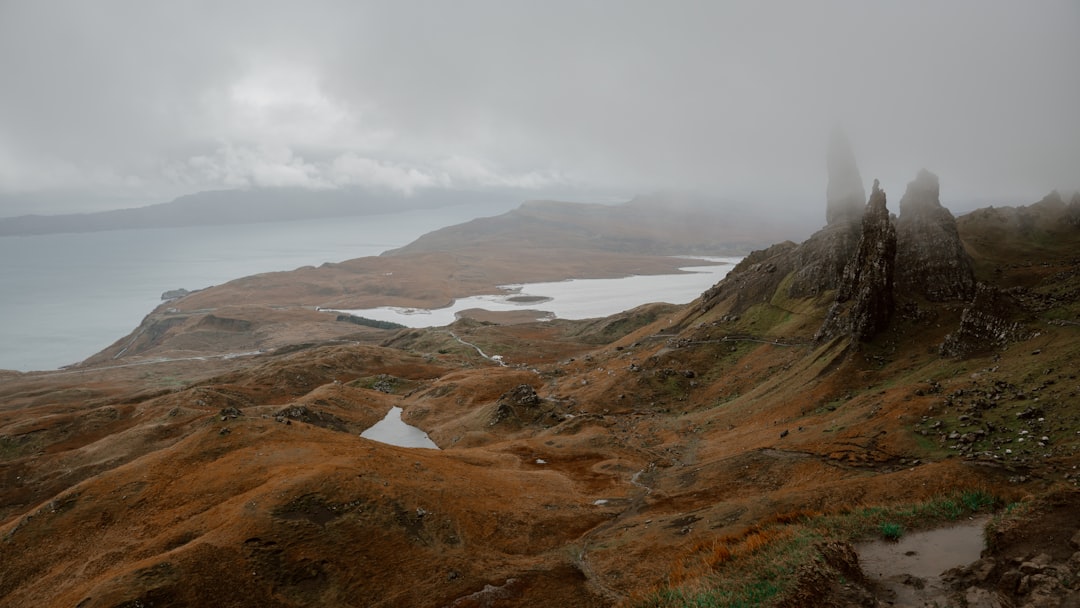
The Isle of Man, a jewel nestled in the Irish Sea, is a secret haven for wildlife enthusiasts and nature lovers. From its rugged coastline to its serene glens and open moorlands, this self-governing island offers unparalleled opportunities for wildlife spotting. If you're looking to immerse yourself in nature and witness some truly spectacular creatures in their natural habitat, the Isle of Man is an exceptional destination.
Coastal Gems: Marine Life and Seabird Spectacles
The island's dramatic coastline is teeming with life, offering incredible chances to observe both marine mammals and a vast array of seabirds.
The Calf of Man
This small island, managed by Manx National Heritage, is a designated bird observatory and perhaps the best place for seabird spotting in the Isle of Man.
- Seals: Look out for both Grey Seals and Common Seals basking on the rocks, especially around the exposed coastline. They are often curious and can be seen swimming close to shore.
- Seabirds: Home to thousands of nesting birds during spring and summer, including Manx Shearwaters, Puffins (seasonal), Guillemots, Razorbills, Kittiwakes, and various gulls.
- Migration: A vital stopover for migrating birds, making every visit unique.
Point of Ayre
Located at the northernmost tip of the island, the Point of Ayre offers expansive sandy beaches and dunes that are perfect for seal watching.
- Grey Seals: Often seen hauled out on the sandbanks or swimming offshore.
- Birdlife: An important area for waders and terns, with species like Ringed Plovers and Little Terns breeding here.
Peel Castle & Around
While visiting the historic Peel Castle, keep an eye on the harbour waters and the surrounding coastline.
- Harbour Seals: Often seen swimming around Peel Harbour, especially when fishing boats return.
- Dolphins & Porpoises: Though less frequent, sightings of bottlenose dolphins and harbour porpoises are possible from the headlands, particularly during calmer seas.
Inland Escapes: Woodlands, Wetlands & Unique Creatures
Beyond the coast, the Isle of Man's diverse inland habitats support a fascinating array of wildlife, including some unexpected residents.
Ballaugh Curraghs National Nature Reserve
This RAMSAR-designated wetland is one of the most important freshwater wetland sites in the British Isles.
- Red-necked Wallabies: A truly unique sight! Descendants of a pair that escaped from a wildlife park in the 1970s, these marsupials thrive in the curraghs. They are most active at dawn and dusk.
- Birdlife: A haven for waterfowl, waders, and reedbed specialists, including Marsh Harriers, Bitterns (rare), and various duck species.
- Dragonflies & Damselflies: In summer, the area is vibrant with many species of these iridescent insects.
South Barrule Plantation
Another known haunt for the famous Isle of Man wallabies.
- Red-necked Wallabies: While more elusive than in Ballaugh, the forested areas around South Barrule offer opportunities to spot these fascinating creatures, particularly at quieter times of the day.
Isle of Man Glens & Forests
The island's numerous glens (wooded valleys) and plantations provide shelter for a variety of woodland birds and small mammals.
- Bird Species: Look for chiffchaffs, willow warblers, robins, wrens, and various tits.
- Red Deer: While rare and localised, small populations exist in some of the larger plantations.
Tips for Successful Wildlife Spotting in the Isle of Man
To enhance your chances of memorable encounters with the island's wildlife, consider these essential tips:
-
Timing is Key:
- Dawn and Dusk: Often the best times to spot many land animals, including wallabies, as they are most active.
- Tide Times: For marine life, consult tide tables. Seals often haul out on exposed rocks or sandbanks at low tide.
- Seabird Breeding Season: Late spring and early summer (April-July) are prime for viewing nesting seabirds.
- Be Patient and Quiet: Wildlife is easily disturbed. Move slowly, speak softly, and give animals their space.
-
Bring the Right Gear:
- Binoculars: Essential for distant observations of birds and marine mammals.
- Camera with a zoom lens: Capture those amazing moments without disturbing the animals.
- Weather-appropriate clothing: The Manx weather can be changeable, so layers and waterproofs are recommended.
-
Respect Wildlife and Their Habitat:
- Maintain a safe and respectful distance. Never approach or feed wild animals.
- Stick to marked paths to avoid disturbing delicate ecosystems.
- Take all litter with you.
- Utilize Local Knowledge: Check with local visitor centres, conservation groups, or online forums for recent sightings and advice. Guided tours can also offer expert insights.
The Isle of Man is a true paradise for anyone seeking an authentic connection with nature. By visiting these incredible locations and following responsible wildlife watching practices, you're set for an unforgettable adventure. Get ready to explore the stunning landscapes and discover the rich biodiversity of this magical island!