Navigating Peru's Metro: A Beginner's Essential Guide
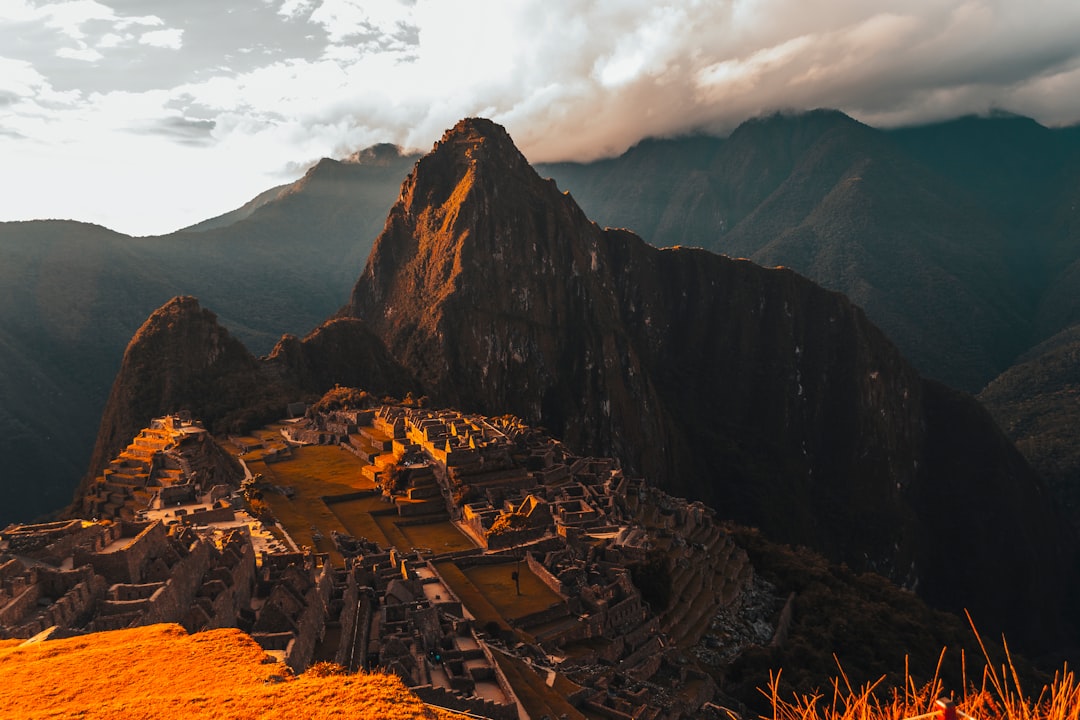
Peru, a land of ancient wonders and vibrant culture, is increasingly accessible thanks to its developing public transportation systems. For many travelers and new residents, understanding how to use the local metro can transform their urban experience. This beginner's guide will demystify using the Metro in Peru, focusing primarily on Lima's Metro de Lima (specifically Linea 1), making your journeys efficient, affordable, and stress-free.
Why Use the Metro in Peru?
Utilizing the metro system offers numerous advantages, especially in bustling cities like Lima.
Beat the Traffic
Lima is notorious for its heavy traffic congestion. The Metro de Lima Linea 1 runs on an elevated track, allowing it to bypass ground-level gridlock. This makes it one of the fastest ways to travel across the city, saving you valuable time.
Cost-Effective Travel
Compared to taxis, ride-sharing services, or even local buses, the metro is significantly more economical. It offers a fixed, low fare for most journeys, making it an excellent option for budget-conscious travelers.
Convenient and Reliable
The Metro de Lima operates on a fixed schedule with frequent trains, especially during peak hours. Its clear routes and designated stations mean less guesswork and more predictable travel times.
Experience Local Life
Traveling by metro offers a unique opportunity to immerse yourself in the local daily rhythm. You'll share space with commuters, students, and families, gaining a glimpse into the authentic Peruvian urban experience.
Getting Started: Essential Steps for Metro de Lima
Before you hop on a train, there are a few key things you need to know to ensure a smooth journey.
Purchase Your Metro Card
The Metro de Lima operates on a pre-paid card system. Cash is not accepted at the turnstiles.
- Where to Buy: You can purchase your Metro Card (often referred to as Tarjeta Lima Pass or just a metro card) at any metro station. Look for ticket booths or automated vending machines.
- Cost of Card: There's a small initial fee for the physical card itself.
- Topping Up: Once you have your card, you'll need to load it with credit. This can be done at the same ticket booths or vending machines. You can add any amount you wish, usually in multiples of the fare. Keep your card topped up for convenience.
Understanding the System
Currently, the primary operational line in Lima is Linea 1.
- Stations: Familiarize yourself with the metro stations along Linea 1. Key stations connect various districts and points of interest.
- Directions: Trains typically run in two directions: Northbound (towards Bayóvar) and Southbound (towards Villa El Salvador). Always check the signs for the dirección (direction) you need.
- Maps: Station platforms and entrances usually have metro maps displayed. It's also helpful to have a map on your phone (e.g., Google Maps often integrates metro routes).
Your First Metro Journey: Step-by-Step
Ready to ride? Here's how to navigate your first metro trip in Peru.
Entering the Station
- Locate the Entrance: Look for signs indicating "Estación Metro" or the metro logo.
- Pass Through Turnstiles: At the entrance, you'll find turnstiles. Simply tap your Metro Card on the designated reader. The turnstile will open, deducting the fare from your card.
- Security Check: Occasionally, security personnel might conduct quick bag checks, especially during busy periods.
Finding Your Platform
- Check Direction Signs: Once inside, follow the signs to the correct andén (platform) for your desired direction.
- Platform Number/Name: Platforms are typically labeled with the destination station (e.g., "Hacia Bayóvar" or "Hacia Villa El Salvador").
Boarding the Train
- Wait Safely: Stand behind the yellow safety line on the platform.
- Let Passengers Alight: When the train arrives, wait for all exiting passengers to clear the doorway before attempting to board.
- Mind the Gap: Be aware of the space between the train and the platform. Step carefully.
Onboard Etiquette
- Offer Seats: It's customary and respectful to offer your seat to the elderly, pregnant women, or individuals with disabilities.
- Hold On: The trains can accelerate and brake quickly, so always hold onto handrails or straps.
- Keep Volume Down: Be mindful of other passengers; keep conversations and phone calls at a respectful volume.
Exiting the Station
- Identify Your Stop: Pay attention to the station announcements and overhead signs displaying the next stop. Many trains also have digital displays.
- Exit the Train: When you reach your destination, exit the train quickly but calmly.
- Follow Exit Signs: Look for signs indicating "Salida" (Exit) to find your way out of the station. In Lima's Metro de Lima Linea 1, you typically do not need to tap out; the fare is fixed and deducted upon entry.
Important Tips for Metro Travel in Peru
To enhance your metro experience, keep these pointers in mind.
- Peak Hours: Avoid traveling during rush hours (generally 7:00 AM-9:00 AM and 5:00 PM-7:00 PM on weekdays) if possible. Trains can be very crowded.
- Safety: While generally safe, always be aware of your surroundings and keep an eye on your belongings, especially your wallet and phone, particularly in crowded areas.
- Accessibility: Most newer stations and trains offer some level of accessibility, but older stations might have limited facilities for those with mobility challenges.
- Maps and Apps: Download an offline map of Lima's metro system, or use apps like Google Maps for real-time navigation.
- Basic Spanish: While not essential, knowing a few basic Spanish phrases like "Una tarjeta, por favor" (A card, please) or "Cuánto cuesta?" (How much does it cost?) can be helpful.
Embracing the Metro in Peru is a fantastic way to navigate the country's urban landscapes, particularly Lima. With this guide, you're now equipped with the knowledge to travel confidently, efficiently, and affordably, unlocking more of what Peru has to offer. Enjoy the ride!