Navigating the West Bank Safely: Essential Car Rental Tips for Palestinian Territories Travel
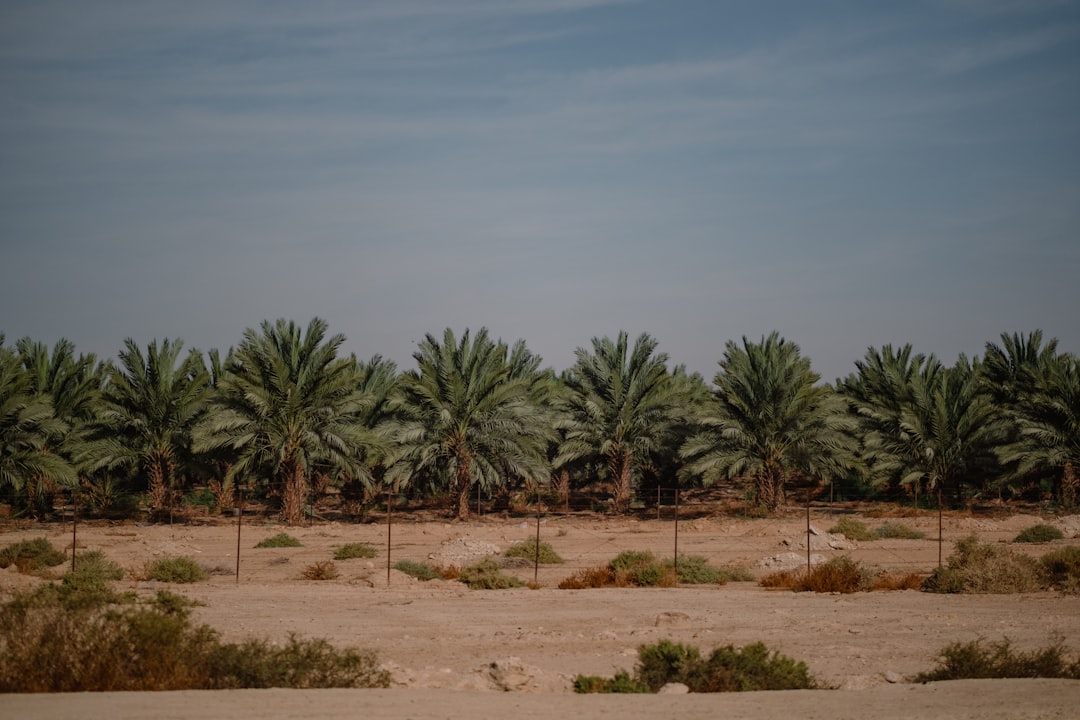
Renting a car offers unparalleled freedom to explore the diverse landscapes and rich history of the Palestinian Territories. However, the unique political and geographical context requires specific safety precautions and knowledge for a smooth and secure journey. This guide provides essential car rental tips to help you travel safely and confidently.
Choosing Your Rental Car Wisely
The type of vehicle and rental company you choose significantly impacts your travel experience and safety.
Understanding Plate Colors and Restrictions
The most crucial factor when renting a car in the Palestinian Territories is understanding vehicle plate colors and their implications.
- Yellow Israeli Plates: Cars with yellow plates are registered in Israel. These vehicles generally have the freedom to travel throughout Israel and into most areas of the West Bank (Areas B and C). However, they are prohibited from entering Palestinian Authority-controlled Area A cities (like Ramallah, Nablus, Bethlehem, Jericho, and parts of Hebron) for security reasons. Rental agencies often have strict policies against this.
- Green or White Palestinian Plates: Cars with these plates are registered with the Palestinian Authority. While they can travel freely within Palestinian-controlled areas, they often face restrictions or increased scrutiny when attempting to enter Israel or Israeli settlements.
Key Tip: For tourists, it's generally recommended to rent an Israeli-plated car from an Israeli-based agency if your itinerary includes travel between Israel and the West Bank (Areas B and C). If your travel is exclusively within Palestinian-controlled areas and you wish to visit Area A cities, consider using a Palestinian-plated taxi service or a tour operator for those specific legs of your journey, or rent a Palestinian-plated car from a local agency if your travel does not include crossing into Israel proper.
Comprehensive Insurance Coverage
Insurance policies can be complex and vary significantly.
- Know Your Coverage: Carefully review your rental agreement to understand what is covered, especially regarding geographical limitations. Many standard policies might not cover incidents that occur in the Palestinian Territories, or only in specific areas.
- Third-Party Liability: Ensure your policy includes robust third-party liability insurance, as local driving conditions can be unpredictable.
- Theft and Damage Waivers: Clarify whether these waivers apply universally across all intended travel areas.
Reputable Rental Agencies
Opt for well-established agencies.
- International vs. Local: Both international brands (often based in Israel) and local Palestinian rental companies exist. Research their policies on travel into different areas of the West Bank.
- Read Reviews: Check online reviews for agencies known for their transparency and good customer service, especially regarding cross-border or West Bank travel.
Pre-Departure Checks and Documentation
Before you even start the engine, a few critical checks are essential.
Vehicle Inspection
Thoroughly inspect your rental car.
- Document Existing Damage: Take photos or videos of any scratches, dents, or defects before leaving the lot. This protects you from being charged for pre-existing damage.
- Check Functionality: Verify that all lights, brakes, tires, air conditioning, and safety features are working correctly.
- Fuel Policy: Understand the fuel policy (e.g., full-to-full) to avoid unexpected charges.
Essential Documents
Keep all necessary paperwork readily accessible.
- Driver's License and IDP: Carry your valid domestic driver's license along with an International Driving Permit (IDP). The IDP is a legal requirement in many cases.
- Rental Agreement: Always have your rental agreement with you, detailing your rental period, insurance, and the vehicle's registration.
- Passport/ID: Your personal identification is crucial, especially at checkpoints.
- Emergency Contacts: Keep a list of emergency numbers, including the rental agency, local police, and your country's embassy or consulate.
Safe Driving Practices in the Palestinian Territories
Driving here requires heightened awareness and adherence to specific guidelines.
Mastering Navigation and Routes
Navigation can be challenging due to varying road conditions and security zones.
- Offline Maps: Download offline maps (e.g., Google Maps, Maps.me, Waze) of the entire region. GPS signal can be unreliable in certain areas.
- Waze Considerations: Waze is popular and generally accurate for real-time traffic and alerts, but be aware that its routes can sometimes lead through areas that are less advisable for foreign drivers, or may not distinguish between Israeli and Palestinian-controlled roads in a way that is immediately obvious to a tourist.
- Local Advice: Always seek local advice on recommended routes, especially if you plan to visit less-traveled areas. Some roads may be unpaved or poorly maintained.
- Avoid No-Go Zones: Be aware of areas marked as off-limits or high-risk for foreign travelers (e.g., specific refugee camps, certain isolated villages).
Navigating Checkpoints
Checkpoints are a common feature of the landscape.
- Remain Calm and Cooperative: Expect to encounter both Israeli military (IDF) and Palestinian Authority Police checkpoints. Always remain calm, polite, and cooperative.
- Follow Instructions: Adhere strictly to any instructions given by soldiers or police officers.
- Have Documents Ready: Have your passport, driver's license, and rental agreement readily available for inspection.
- Roll Down Windows: Lower your windows and turn down any music as you approach.
- Avoid Nighttime Travel: If possible, avoid driving through checkpoints at night, as visibility is poor and security measures can be more stringent.
Understanding Road Signs and Local Driving Culture
Driving styles can differ significantly from what you might be accustomed to.
- Multilingual Signs: Road signs are often in Hebrew, Arabic, and English. Pay close attention.
- Defensive Driving: Practice defensive driving. Be prepared for aggressive driving, sudden stops, pedestrians, and animals on the road.
- Horn Usage: The horn is often used as a warning or a greeting, not necessarily an aggressive gesture.
Staying Aware of Security Zones
The West Bank is divided into areas with different administrative controls, which impact travel.
- Area A (Palestinian Authority Full Control): Cities like Ramallah, Nablus, Bethlehem, Jericho. Israeli-plated vehicles are generally prohibited from entering these areas.
- Area B (Palestinian Civil, Israeli Security Control): Many Palestinian towns and villages. Israeli-plated cars can enter, but exercise caution.
- Area C (Israeli Full Control): Predominantly rural areas, Israeli settlements, and major roads connecting settlements. Israeli-plated cars can travel freely here.
Always be aware of which zone you are in. Signs often indicate boundaries. Entering Area A with an Israeli-plated vehicle can be dangerous and is often a violation of your rental agreement.
General Safety and Emergency Preparedness
Beyond the car, general safety measures are always prudent.
Local Emergency Contacts
Ensure you have access to crucial contacts.
- Police: Local police numbers (different for Israeli and Palestinian areas).
- Medical Services: Hospital or ambulance numbers.
- Rental Agency: Their 24/7 emergency line.
- Embassy/Consulate: Your country's diplomatic mission for assistance.
Situational Awareness
Stay vigilant and trust your instincts.
- Valuables: Keep valuables out of sight and avoid leaving them unattended in the car.
- Avoid Large Gatherings: Steer clear of demonstrations or large public gatherings, which can sometimes escalate unexpectedly.
- Fuel Up: Keep your fuel tank at least half full, especially before venturing into remote areas.
By following these essential safety tips for car rental in the Palestinian Territories, you can enhance your security, navigate with confidence, and enjoy the rich experiences this unique region has to offer. Preparation and awareness are your best travel companions.