The Battles That Defined a Nation: Singapore's Most Pivotal Historical Conflicts
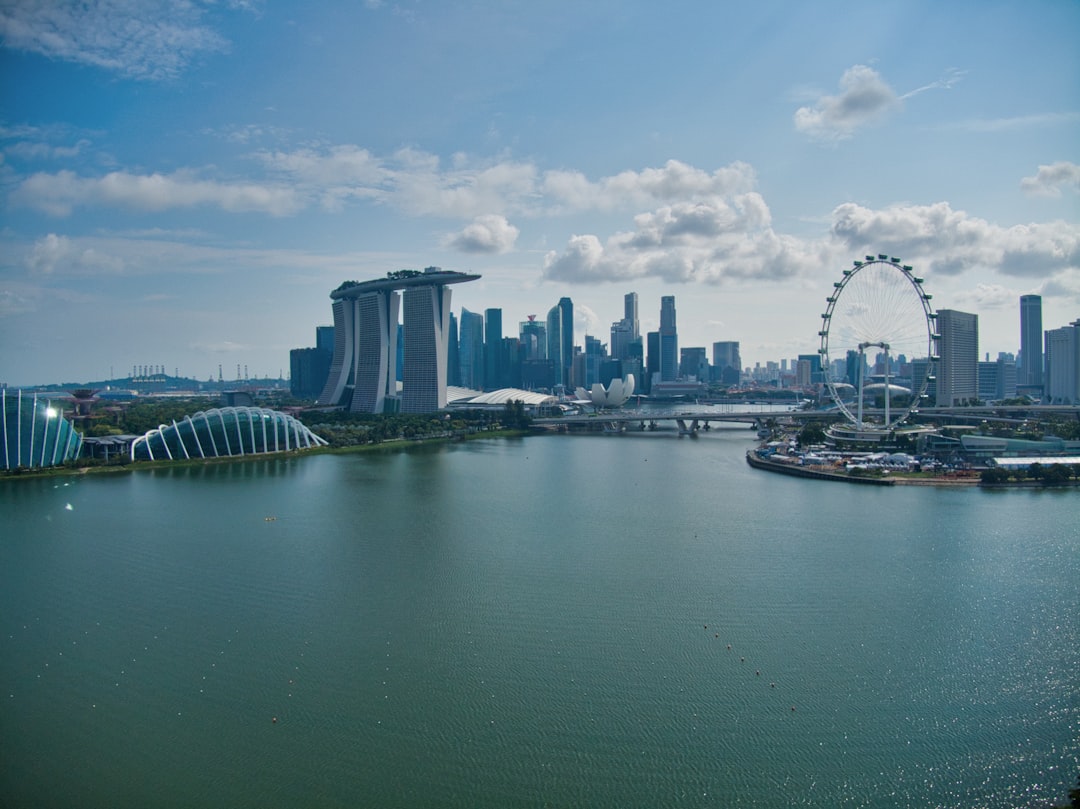
Singapore, often celebrated as a modern marvel, possesses a rich and complex history marked by significant conflicts that have profoundly shaped its identity. Far from being a peaceful trading post throughout its existence, this strategic island has been the stage for battles that tested its resilience, redefined its future, and forged the spirit of its people. Understanding these historical battles is crucial to appreciating the nation's journey.
The Malayan Campaign: Paving the Way to Singapore (December 1941 – January 1942)
Before the direct assault on Singapore, the island's fate was intrinsically linked to the fierce Malayan Campaign. This rapid and devastating military operation saw Japanese forces swiftly advance down the Malayan Peninsula, systematically overcoming Allied defenses.
The Unforeseen Land Invasion
Despite extensive British preparations, including the construction of significant fortifications, defensive strategies primarily focused on a naval attack from the south. The Japanese, however, launched a blitzkrieg-style land invasion from the north, through dense jungles, leveraging bicycles and surprising speed.
- Key Turning Points: The fall of key British strongholds like Jitra and Kuala Lumpur.
- Strategic Impact: The campaign effectively isolated Singapore, cutting off its vital supply lines and removing its protective mainland buffer.
- Tactical Brilliance: The Japanese displayed superior air power and combined arms tactics, outmaneuvering the Allied forces.
This campaign served as a stark precursor, demonstrating the vulnerability of what was once considered an "impenetrable fortress" and setting the stage for the direct assault on Singapore.
The Battle of Singapore (February 1942)
The culmination of the Malayan Campaign led directly to the most impactful and defining conflict in Singapore's history: the Battle of Singapore. This eight-day battle, from February 8th to 15th, 1942, resulted in one of the most humiliating defeats for the British Empire and forever altered Singapore's destiny.
The Fall of the "Gibraltar of the East"
Often dubbed the "Gibraltar of the East" due to its strategic importance and formidable defenses, Singapore was expected to withstand any attack. However, the Japanese, under the command of General Tomoyuki Yamashita, executed a brilliant outflanking maneuver, landing on the vulnerable northwestern beaches of Singapore Island.
- Initial Landings: On the night of February 8th, Japanese forces began their landings on Singapore's northwestern coastline, encountering fierce but ultimately outmatched resistance.
- Intense Fighting: Over the next week, brutal urban warfare ensued as Japanese forces pushed deeper into the island, overwhelming Allied defenses comprising British, Australian, Indian, and local volunteer troops.
- The Surrender: Despite having more troops than the attacking Japanese forces, the Allies, under Lieutenant-General Arthur Percival, faced dwindling water supplies and ammunition, leading to the unconditional surrender on February 15th, 1942. This marked the largest British surrender in history.
Enduring Legacy of Sacrifice and Resilience
The Fall of Singapore was a catastrophic event, ushering in the brutal Japanese Occupation (1942-1945), a period of immense suffering, atrocity, and forced labor. The infamous Sook Ching massacre, targeting perceived anti-Japanese elements, further etched this dark period into the national consciousness.
- Shattered Myths: The battle shattered the myth of colonial invincibility and profoundly impacted the psychological landscape of the region, fueling subsequent nationalist and independence movements.
- National Identity: The shared experience of suffering and resistance during the occupation became a foundational element of Singapore's burgeoning national identity.
- Lessons Learned: The lessons from this devastating defeat instilled in independent Singapore a deep commitment to self-reliance, strong defense capabilities, and multiracial unity.
These pivotal historical battles, particularly the Battle of Singapore, serve as a powerful reminder of the nation's struggle, the resilience of its people, and the enduring value of peace and sovereignty. Understanding these conflicts is not just remembering the past, but honoring the journey that shaped modern Singapore.