The Best Places for Stargazing and Night Photography in Colombia
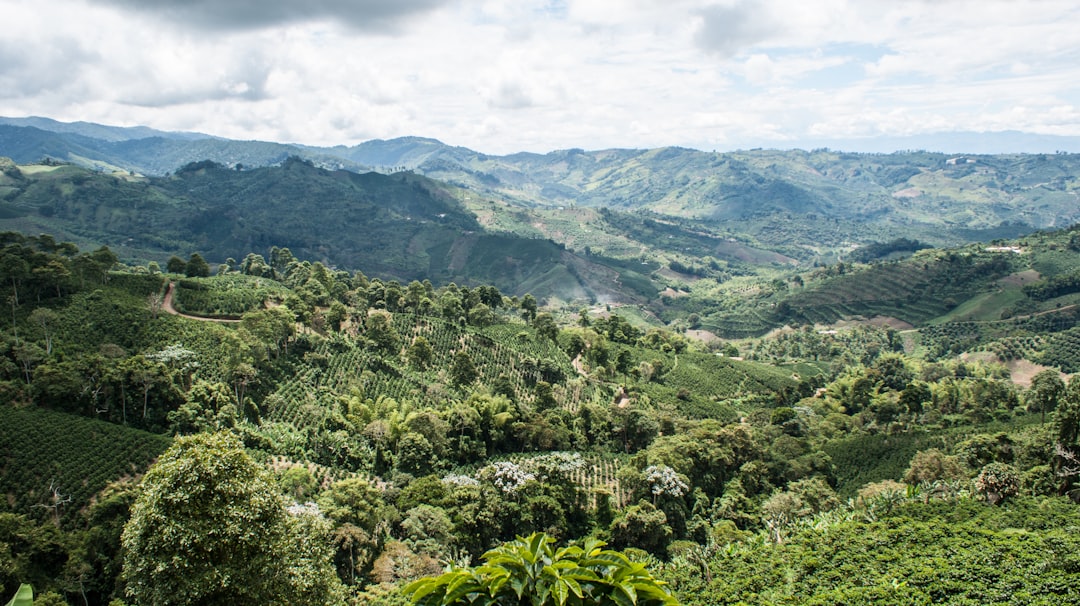
Colombia, a land renowned for its vibrant culture, lush rainforests, and stunning Caribbean coastlines, holds a secret treasure for adventurers and photographers alike: its incredible dark skies perfect for stargazing and night photography. Away from major urban centers, Colombia offers unique landscapes that transform into spectacular celestial theaters after dusk. If you're looking to capture breathtaking images of the Milky Way or simply marvel at the cosmos, these are the top destinations to consider for astrotourism in Colombia.
The Cosmic Canvas of the Tatacoa Desert
One of the most iconic and highly recommended spots for stargazing in Colombia is the Tatacoa Desert. Located in the Huila department, this semi-arid region is not a true desert but rather a dry tropical forest, characterized by its striking red and grey rock formations. Its remote location and minimal light pollution make it an astronomer's dream.
Why Tatacoa Shines for Stargazers
- Exceptional Dark Skies: Tatacoa boasts some of the clearest, darkest skies in Colombia, largely due to its distance from major cities and low humidity.
- Unique Terrestrial Features: The surreal red and grey labyrinths provide an extraordinary foreground for night landscape photography, creating dramatic contrasts with the starry expanse above.
- Astronomical Observatories: The desert is home to a small, public astronomical observatory where local guides and astronomers often offer talks and telescope viewings, enhancing the experience.
- Year-Round Visibility: While the dry season (June to September, December to March) offers the best chances for clear skies, Tatacoa is generally good for stargazing throughout the year.
Key Term Focus: Tatacoa Desert, stargazing Colombia, night photography Colombia, light pollution, Milky Way, astronomical observatory.
La Guajira: Where the Desert Meets the Stars
Venturing to the northernmost tip of Colombia, the department of La Guajira offers another unparalleled stargazing experience. This vast, windswept desert region, home to the indigenous Wayuu people, provides a raw and untouched environment where the Caribbean Sea meets endless dunes under an expansive sky.
Unveiling the Night Sky in Colombia's North
- Cabo de la Vela: This charming fishing village is known for its serene beaches and dramatic cliffs. At night, with virtually no light pollution, the Milky Way appears to stretch directly over the ocean. It's a prime location for coastal night photography.
- Punta Gallinas: As the northernmost point of South America, Punta Gallinas offers an even more isolated experience. The panoramic horizons and complete lack of artificial light guarantee an uninterrupted view of the celestial sphere. Here, you can truly appreciate the vastness of the cosmos and capture stunning astrophotography shots.
- Cultural Immersion: The unique Wayuu culture adds an enriching layer to your night sky adventure, often allowing opportunities to connect with local traditions under the stars.
Key Term Focus: La Guajira, Cabo de la Vela, Punta Gallinas, Caribbean Sea, Milky Way photography, Wayuu culture, astrophotography.
Villa de Leyva: Colonial Charm Under a Starry Sky
While Villa de Leyva is famous for its preserved colonial architecture and historical significance, the surrounding rural areas in the department of Boyacá offer surprisingly excellent conditions for stargazing and night photography. Its elevated plateau location and distance from large urban centers contribute to its dark skies.
Beyond History, A Celestial Spectacle
- Accessible Dark Skies: Just a short drive outside the main town, you can find numerous spots with minimal light pollution, offering clear views of the stars. Many rural accommodations are strategically located for this purpose.
- Diverse Landscapes: The region's unique arid landscapes, including ancient fossil sites and barren fields, provide interesting foregrounds for your night sky photography.
- Comfort and Amenities: Unlike the more rugged Tatacoa or La Guajira, Villa de Leyva offers a wide range of comfortable accommodations and dining options, making it a more accessible choice for those seeking both cultural exploration and celestial wonders.
Key Term Focus: Villa de Leyva, Boyacá, dark skies, night photography, light pollution, colonial charm.
Essential Tips for Your Stargazing and Night Photography Adventure
To make the most of your astrotourism journey in Colombia, keep these crucial tips in mind:
- Check the Moon Phase: Plan your trip around a new moon for the darkest skies and best Milky Way visibility.
- Weather Conditions: While generally dry, tropical weather can be unpredictable. Check forecasts for clear skies, especially during rainy seasons.
-
Essential Gear:
- Wide-angle lens (f/2.8 or faster): Crucial for capturing expansive nightscapes.
- Sturdy tripod: Non-negotiable for long exposure shots.
- Remote shutter release: To avoid camera shake.
- Headlamp with a red light mode: Preserves your night vision and is courteous to others.
- Extra batteries: Long exposures drain power quickly.
- Warm clothing: Deserts get surprisingly cold at night.
- Safety First: Always go with a reputable tour guide or in a group, especially in remote areas. Inform locals of your plans.
- Respect Local Culture and Environment: Leave no trace and be mindful of local communities, especially in indigenous territories.
Colombia truly offers an incredible backdrop for anyone passionate about the night sky. From the vibrant red earth of Tatacoa to the endless horizons of La Guajira and the charming surroundings of Villa de Leyva, these destinations promise unforgettable stargazing and night photography experiences. Pack your gear, look up, and prepare to be amazed by the celestial wonders of this beautiful country.