Unlock Bolivia's Best Weather: Your Ultimate Guide to Planning the Perfect Trip
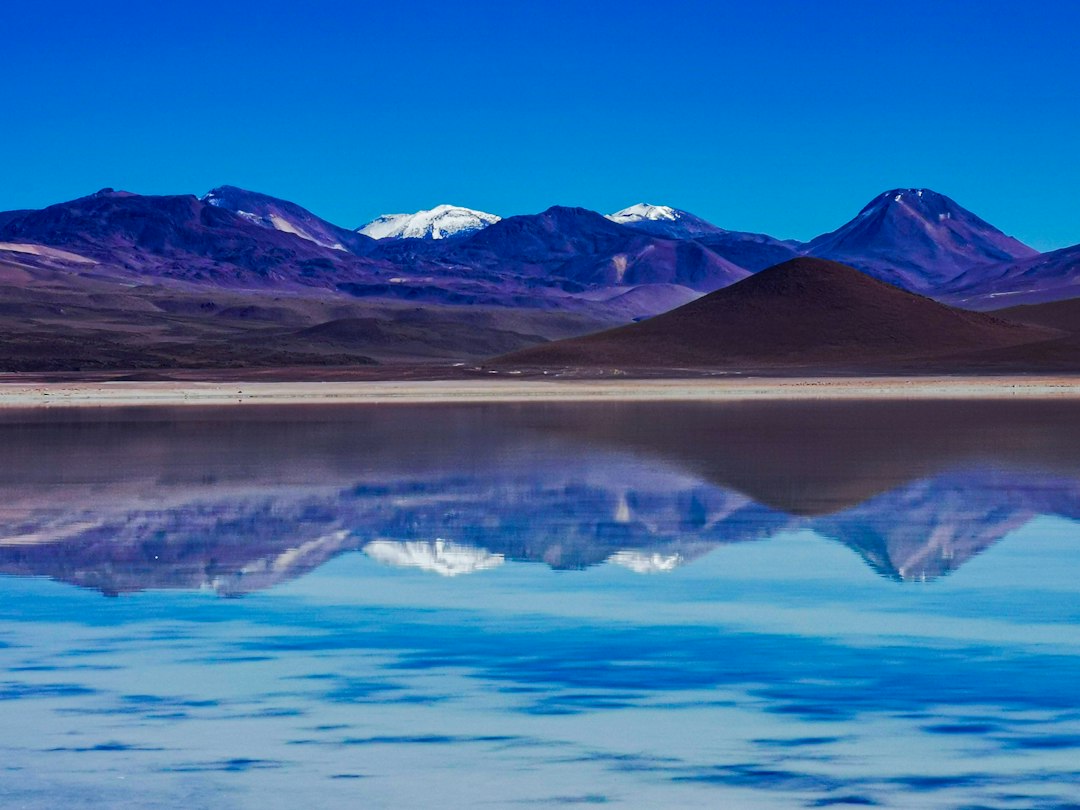
Planning a trip to Bolivia promises an unforgettable adventure, but timing your visit is crucial to experiencing the country's diverse landscapes under ideal conditions. From the soaring Andean peaks to the lush Amazon rainforests and temperate valleys, Bolivia's weather can vary dramatically by region and season. Knowing the best time of year to visit will significantly enhance your travel experience.
Understanding Bolivia's Diverse Climates
Bolivia is a country of extreme geographical contrasts, leading to distinct climate zones.
Andean Highlands (Altiplano)
- Regions: La Paz, Lake Titicaca, Uyuni Salt Flats, Potosí
- Climate: High altitude, semi-arid. Days can be sunny and mild, but nights are often freezing cold. There's a clear dry season and wet season.
Amazon Lowlands (Oriente)
- Regions: Santa Cruz, Trinidad, Rurrenabaque (gateway to Madidi National Park)
- Climate: Tropical, hot, and humid year-round with a pronounced wet season bringing heavy rainfall.
Intermontane Valleys
- Regions: Cochabamba, Sucre, Tarija
- Climate: Temperate and milder than the extremes of the high plains or lowlands, enjoying pleasant temperatures for much of the year.
The Best Time Overall: Bolivia's Dry Season (May to October)
For the vast majority of travelers, the dry season, running from May to October, is widely considered the best time to visit Bolivia. During these months, skies are typically clear, rainfall is minimal, and travel conditions are optimal across most regions.
Why the Dry Season is Ideal
-
Andean Highlands:
- Clear skies and abundant sunshine make for stunning visibility, perfect for exploring attractions like Lake Titicaca, the city of La Paz, and the otherworldly landscapes of the Uyuni Salt Flats.
- Trekking conditions are excellent in regions like the Cordillera Real, with less mud and clearer trails.
- While days are pleasant, be prepared for cold nights, especially at altitude. Temperatures can drop significantly below freezing in places like Uyuni.
-
Amazon Lowlands:
- Though still hot, humidity is lower, and rainfall is less intense compared to the wet season. This improves accessibility to national parks and offers better chances for wildlife viewing, as animals are more active near dwindling water sources.
-
Intermontane Valleys:
- Temperatures are comfortably mild, making it a wonderful time to explore cities like Sucre and Cochabamba, and the wine regions of Tarija.
What to Expect During the Wet Season (November to April)
While generally less popular for travel, Bolivia's wet season also has its unique charms and considerations.
-
Andean Highlands:
- Increased rainfall can lead to muddy conditions and, occasionally, road closures, particularly in remote areas like the Uyuni Salt Flats.
- However, the rain transforms parts of the Uyuni Salt Flats into a breathtaking giant mirror, creating stunning photographic opportunities. This phenomenon is best seen in January and February, but timing it perfectly can be tricky due to heavy rainfall.
- Visibility for high-altitude treks might be reduced due to cloud cover.
-
Amazon Lowlands:
- Expect heavy rains, high humidity, and potential flooding, which can make some areas inaccessible. This isn't the ideal time for jungle excursions.
-
Intermontane Valleys:
- The valleys experience warmer temperatures and more rainfall, leading to lush, green landscapes.
Practical Tips for Your Bolivian Adventure
No matter when you visit, keep these tips in mind:
- Pack Layers: Due to significant temperature swings between day and night, especially in the highlands, packing layers is essential.
- Altitude Acclimatization: If traveling to high-altitude areas like La Paz or Uyuni, allow ample time to acclimatize to prevent altitude sickness.
- Sun Protection: The sun at high altitudes is incredibly strong. Always use high-SPF sunscreen, wear a hat, and sunglasses.
- Stay Hydrated: Drink plenty of water, especially at altitude.
By carefully considering the best time of year to align with your travel interests, you can ensure your trip to Bolivia is filled with perfect weather and unforgettable experiences. The dry season offers the most reliable conditions for exploration, but a well-planned wet season visit can yield unique and magical moments.