Unlocking Senegal's Best: When to Visit for Absolutely Perfect Weather
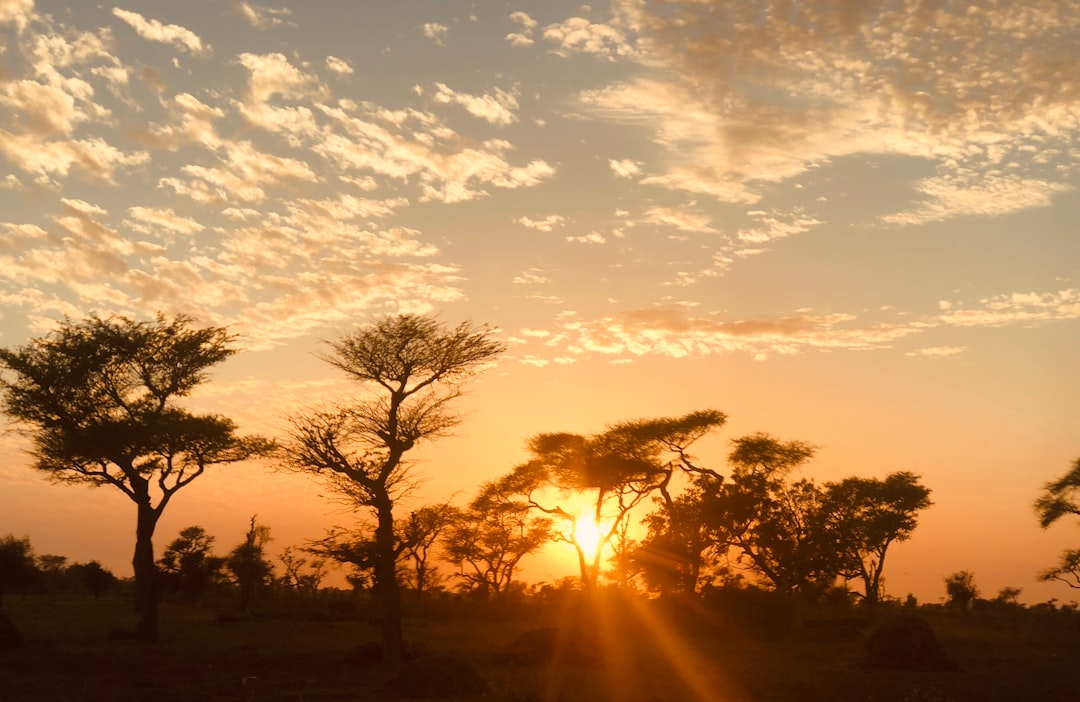
Senegal, a vibrant gem on West Africa's coast, beckons travelers with its rich culture, stunning landscapes, and warm hospitality. However, to truly savor its magic, timing your visit for optimal weather is crucial. Understanding Senegal's distinct seasons will ensure your trip is filled with sunshine, comfortable temperatures, and unforgettable experiences.
Understanding Senegal's Climate: The Two Seasons
Senegal experiences two primary seasons: a dry season and a rainy season. While both have their unique charm, one stands out significantly for those seeking perfect weather conditions.
The Dry Season: Your Golden Window for Ideal Conditions (October to June)
Without a doubt, the dry season is the best time of year to visit Senegal for ideal weather. During these months, the country enjoys abundant sunshine, minimal rainfall, and more comfortable temperatures.
- October and November: These are shoulder months, marking the transition from the rainy season. The air begins to dry out, and temperatures are pleasantly warm. The landscape is still lush from the preceding rains, and tourist crowds are lighter.
-
December to February: This is the peak of the dry season and offers arguably the most perfect weather. You'll experience:
- Mild to warm temperatures (often in the mid-20s to low 30s Celsius during the day).
- Low humidity, making the heat much more bearable.
- Clear, sunny skies almost daily, perfect for all outdoor activities.
- A refreshing breeze along the coast.
- March to June: While still firmly within the dry season, temperatures gradually begin to rise, particularly inland. Coastal areas remain pleasant due to ocean breezes. Rainfall is still very rare, making these months excellent for beach holidays before the rainy season fully sets in.
During the dry season, you can effortlessly enjoy:
- Relaxing on Senegal's pristine beaches, like those in Saly or Toubab Dialaw.
- Exploring the vibrant markets and historical sites of Dakar and Gorée Island.
- Embarking on wildlife viewing safaris in national parks such as Niokolo-Koba.
- Bird watching, as many migratory species are present.
- Participating in water sports and fishing.
What About the Rainy Season? (July to September)
The rainy season, also known as the "Green Season" or "Wintering," runs from July to September. During this period:
- Temperatures are generally hotter and more humid.
- Rainfall occurs, typically in short, intense downpours rather than all-day drizzles. These usually clear quickly, giving way to sunshine.
- The landscape transforms into a lush, vibrant green, which can be stunning for photography.
- Tourist numbers are lower, potentially leading to fewer crowds and lower prices on accommodation and flights.
While not ideal for those seeking consistently perfect weather, the rainy season can appeal to budget travelers or those interested in specific bird migrations and a greener scenery.
Beyond Weather: Other Factors to Consider
While weather is a primary concern, a few other elements can influence the best time for your Senegal trip:
- Festivals and Events: Senegal hosts numerous cultural and religious festivals throughout the year. Researching these can help you align your visit with a specific celebration if desired.
- Religious Holidays: Senegal is predominantly Muslim. Major holidays like Ramadan and Eid al-Fitr (Korité) can impact opening hours of businesses and general atmosphere. These dates shift annually.
- Tourist Crowds and Prices: The peak dry season (December-February) sees the highest number of tourists, which can mean higher prices and more crowded sites. Shoulder months offer a good balance.
For the ultimate Senegalese experience with consistently perfect weather, aim for the dry season, particularly the months between December and February. This window promises sunny skies, comfortable temperatures, and ideal conditions for exploring everything this captivating country has to offer.