Unveiling Saint Martin's Dark Skies: Top Spots for Stargazing & Night Photography
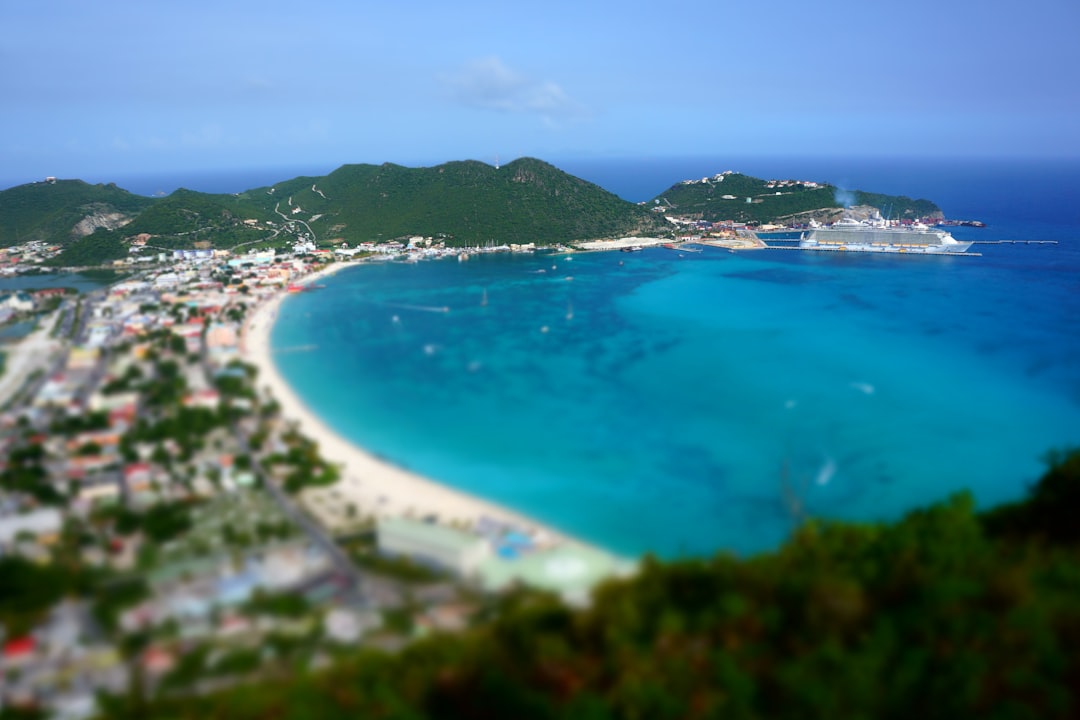
Saint Martin, an island renowned for its dazzling beaches and vibrant culture, harbors a secret magic that truly comes alive after sunset. On the French side of the island, away from the bustling lights, the remarkably clear, dark skies offer an unparalleled canvas for both stargazing and night sky photography. If you're seeking to connect with the cosmos, Saint Martin French is an unexpected paradise.
Why Saint Martin (French Side) Excels for Night Sky Viewing
The French side of Saint Martin provides unique advantages for celestial observation:
- Reduced Light Pollution: Compared to more developed areas, many parts of the French side maintain a lower level of artificial light, making fainter stars and galaxies more visible.
- Tropical Climate & Clear Nights: The consistent tropical weather often brings clear, cloudless nights, ideal for unobstructed views of the heavens.
- Stunning Coastal Foregrounds: The island's picturesque beaches and natural landscapes offer incredible opportunities to frame your night sky photos with dramatic silhouettes of palm trees, ocean, or cliffs.
Premier Stargazing & Night Photography Locations
To truly appreciate the celestial display, head to these prime spots on the French side:
Baie Rouge Beach
This secluded beach, known for its iconic natural arch, offers a fantastic escape from light pollution. Its relatively quiet atmosphere and open western horizon make it perfect for observing and photographing the night sky.
- Key Features: Minimal light spill from nearby resorts, serene environment, and natural rock formations.
- Photography Tips: Capture the Milky Way stretching over the tranquil waters, using the arch or the rugged cliffs as powerful foreground elements. The western orientation can also be excellent for post-sunset sky photography.
Friar's Bay (Anse des Pères)
Friar's Bay is another excellent choice, often quieter than some of the more popular beaches. Its gentle curve and relatively undeveloped surroundings create an intimate setting for stargazing.
- Key Features: Calm waters, less crowded, and good general orientation for viewing various constellations.
- Photography Tips: Frame your shots with the subtle curve of the bay, integrating any distant, soft lights from the shore to add depth. Long exposures here can reveal incredible detail in the sea and sky.
Grand Case Bay (North End)
While Grand Case village itself has some light, venturing to the northern extremities of Grand Case Bay can yield surprisingly dark skies. This area provides unique opportunities to blend the distant, charming lights of the village with the vastness of the night sky.
- Key Features: Offers interesting foregrounds with traditional fishing boats and the distant glow of Grand Case.
- Photography Tips: Experiment with compositions that incorporate the distant lights of Grand Case as a subtle backdrop, or turn your lens completely seaward for the darkest possible skies over the ocean.
Pic Paradis Area (Highest Point)
As the highest point on the island, the area around Pic Paradis offers elevated views that can place you above some of the lower-lying light pollution. While it requires a bit more effort to access a suitable viewpoint, the panoramic vistas are undeniably rewarding.
- Key Features: Elevated perspective, potential for expansive, unobstructed views of the horizon.
- Photography Tips: Use a wide-angle lens to capture the vast expanse of the sky and the island's silhouette below. This location is also ideal for spotting meteor showers due to its elevated and open vantage point.
Essential Tips for Your Night Sky Adventure
To make the most of your stargazing and night photography experience in Saint Martin, consider these vital tips:
-
Timing is Key:
- New Moon Phases: Plan your trips during the new moon for the darkest skies and best visibility of the Milky Way and fainter celestial objects.
- Check Weather Forecasts: Clear, cloudless nights are essential.
- Meteor Showers: Research annual meteor showers (e.g., Perseids, Geminids) for an added spectacle.
-
Gear Up for Success:
- Sturdy Tripod: Absolutely crucial for sharp, long-exposure photography.
- Wide-Angle Lens (f/2.8 or wider): Essential for capturing more light and a broader field of view of the night sky.
- Remote Shutter Release: Prevents camera shake during long exposures.
- Headlamp with Red Light: Preserves your night vision and allows you to navigate safely without disturbing others.
- Extra Batteries: Long exposures and cooler night temperatures can drain batteries quickly.
-
Safety & Respect:
- Inform Someone: Always let someone know your plans, destination, and estimated return time.
- Be Aware of Surroundings: Navigate carefully in the dark, watching for uneven terrain or obstacles.
- Minimize Light Pollution: Use red lights on your headlamp, and avoid unnecessary use of bright white lights from phones or flashlights.
- Leave No Trace: Pack out everything you pack in, preserving the natural beauty of these pristine locations.
Saint Martin's French side truly offers an unparalleled opportunity to connect with the cosmos. With a little planning and the right location, you're set for an unforgettable celestial spectacle, capturing memories that will last long after the stars fade into the tropical dawn.