Unveiling Uzbekistan's Architectural Gems: A Guide to Its Most Famous City Halls
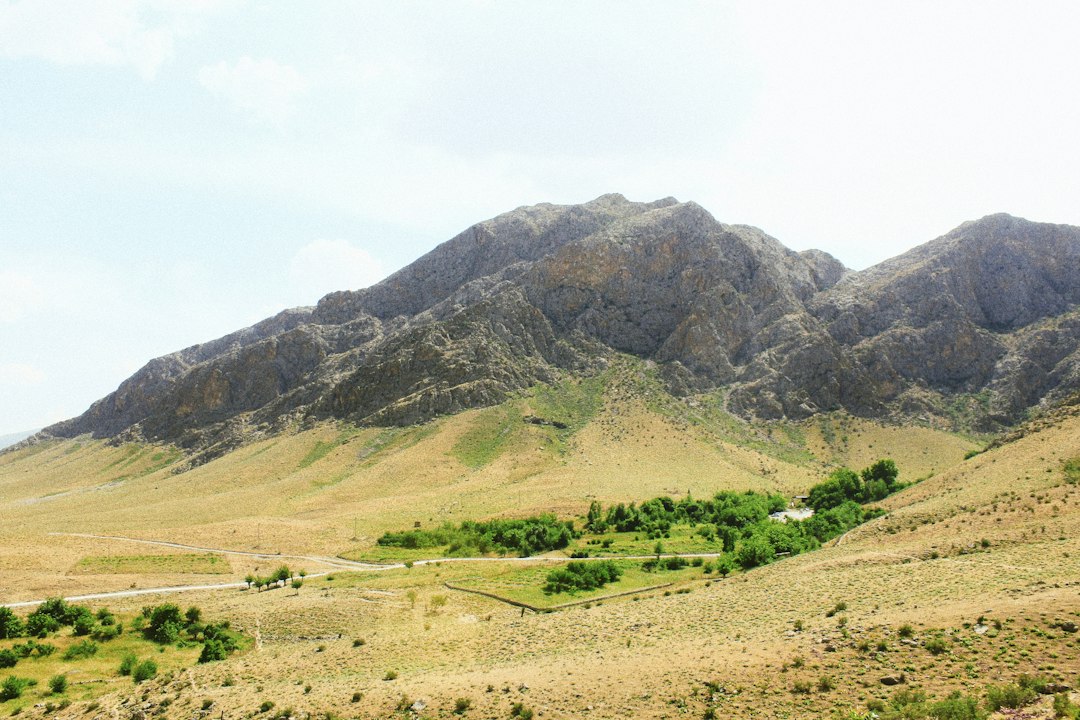
Uzbekistan, a land rich in history and culture, is renowned for its stunning Islamic architecture, ancient Silk Road cities, and vibrant traditions. While mosques, madrasahs, and mausoleums often steal the spotlight, the nation's City Halls (Hokimiyat buildings) offer a unique glimpse into both its historical governance and contemporary urban development. These often-overlooked structures are not just administrative centers; they are architectural masterpieces reflecting diverse styles, from traditional Central Asian motifs to Soviet-era classicism and modern interpretations. Join us on a journey to explore some of Uzbekistan's most famous and architecturally significant City Halls, each telling a story of its city's past and present.
Tashkent: The Capital's Grandeur
The capital city, Tashkent, boasts a City Hall that embodies the city's status as a modern metropolis with deep historical roots.
A Blend of Eras
The current Tashkent City Hall (Hokimiyat of Tashkent) stands as a prominent example of post-Soviet architecture, often featuring a blend of classical elements with modern functionality. Its imposing facade and spacious interiors reflect the city's importance as a political and economic hub.
Key features often include:
- Grand courtyards and public squares that enhance its public appeal.
- Impressive columned entrances and wide staircases.
- Carefully manicured gardens and surrounding green spaces.
It serves as a central point for civic administration and local governance, playing a crucial role in the city's day-to-day life and urban development.
Samarkand: Echoes of the Silk Road
Samarkand, a UNESCO World Heritage site and one of the oldest continuously inhabited cities in Central Asia, offers a City Hall that respects its ancient legacy while serving a modern populace.
Historical Significance and Design
The Samarkand City Hall is often characterized by architecture that subtly integrates traditional Islamic geometric patterns and Persian influences with more contemporary design elements. Its design often aims to harmonize with the city's iconic structures like the Registan Square and the Gur-e Amir Mausoleum.
Architectural highlights may include:
- Use of traditional glazed tiles in decorative accents.
- Arched doorways and windows reflecting Timurid architectural traditions.
- An overall aesthetic that speaks to Samarkand's rich historical tapestry and its role as a cultural crossroads.
This building is not just an administrative center but a symbol of Samarkand's enduring beauty and its commitment to preserving its illustrious past.
Bukhara: An Ancient City's Heart
Bukhara, another jewel on the Silk Road and a UNESCO World Heritage site, is a living museum. Its City Hall reflects this profound heritage.
Preserving Heritage in Governance
The architecture of the Bukhara City Hall often takes cues from the surrounding historic fabric, featuring designs that complement the city's ancient mosques, madrasahs, and minarets. While administrative, it often incorporates elements that make it blend seamlessly into the old city's aesthetic.
Look for:
- Brickwork and carved wood details reminiscent of local craftsmanship.
- Courtyards designed to evoke traditional Caravanserai structures or inner-city courtyards.
- A sense of understated elegance that aligns with Bukhara's contemplative and historic atmosphere.
It represents the continuity of governance within a city that has witnessed millennia of history, from the Samanid Empire to the modern era.
Khiva: Within the Walls of Ichan Kala
The walled city of Khiva, specifically its inner city Ichan Kala (also a UNESCO World Heritage site), presents a unique context for its local administration.
Unique Administrative Spaces
Unlike the grand, standalone structures in larger cities, Khiva's administrative functions might be housed in buildings that are more integrated into the compact and ancient urban fabric of Ichan Kala. While there might not be a single "City Hall" in the conventional sense within the ancient walls, the administrative offices for the district (hokimiyat) would certainly reflect Khiva's distinct architectural style.
Key architectural influences:
- Dominance of mud-brick construction and blue tilework accents.
- Structures featuring high gates and intricate wooden columns, characteristic of Khivan architecture.
- A design ethos focused on harmony with the surrounding historical monuments like the Kalta Minor and Pahlavan Mahmud Mausoleum.
These administrative buildings are part of the living heritage of Khiva, maintaining its traditional aesthetic even for modern governance within this ancient oasis city.
The City Halls of Uzbekistan are more than just governmental buildings; they are integral parts of the nation's architectural narrative. From the sprawling grandeur of Tashkent to the historically resonant designs of Samarkand, Bukhara, and Khiva, each structure offers a unique window into the civic pride, historical continuity, and architectural diversity of Uzbekistan. Next time you explore this enchanting country, take a moment to appreciate these often-overlooked yet profoundly significant landmarks. They are vital threads in the rich tapestry of Uzbekistan's heritage.