Your Essential Guide to Getting Around Russia: Flights, Buses, and Ferries
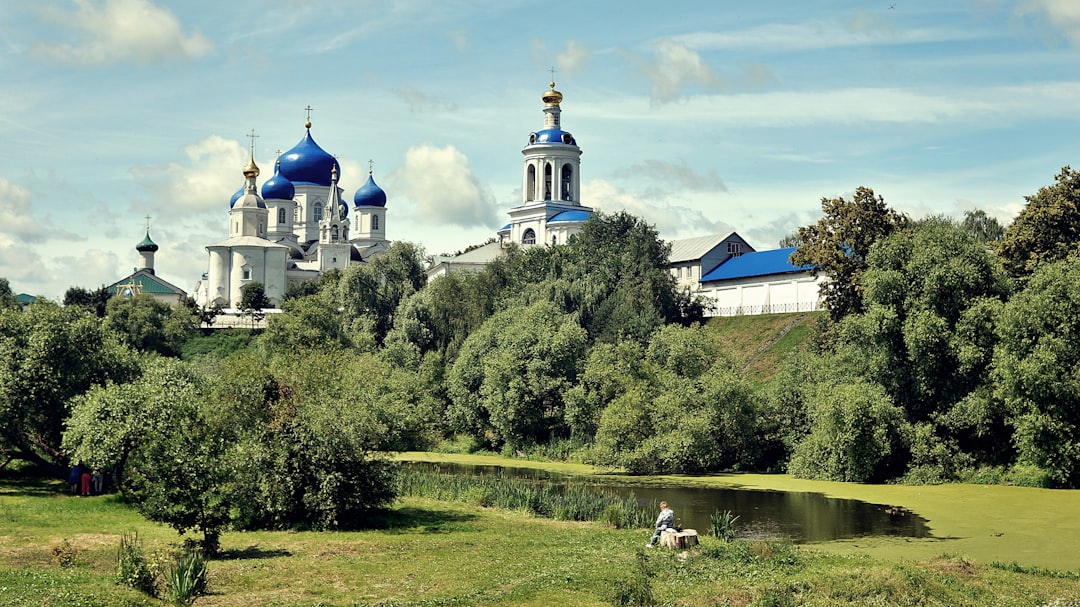
Navigating the vast and diverse landscapes of the Russian Federation can seem daunting, but with a clear understanding of its transportation network, travelers can explore this immense country with ease. From bustling metropolises to serene natural wonders, Russia offers a range of options to suit every traveler's budget and pace. This guide will walk you through the most common modes of transport: flights, buses, and ferries, helping you plan your journey effectively.
Flying Across Russia: Speed and Efficiency
For covering long distances in a country that spans eleven time zones, domestic flights are often the most time-efficient option. Russia boasts a well-developed network of airports connecting major cities and even remote regions.
Key Russian Airlines
Several airlines operate extensive domestic routes, offering varying levels of service and pricing.
- Aeroflot: Russia's flagship carrier, known for its wide network and service quality.
- S7 Airlines: A major player with a strong presence in Siberia and beyond.
- Ural Airlines: Connects many cities, often at competitive prices.
- Pobeda: A low-cost carrier, ideal for budget-conscious travelers, though with stricter baggage rules.
- Rossiya Airlines: A subsidiary of Aeroflot, serving many domestic routes.
Major Airports & Hubs
Most domestic flights funnel through the major international airports around Moscow and St. Petersburg before branching out.
- Moscow: Sheremetyevo (SVO), Domodedovo (DME), and Vnukovo (VKO) are the primary hubs.
- St. Petersburg: Pulkovo Airport (LED) is the main gateway to the country's cultural capital.
- Other significant airports include those in Sochi, Kazan, Ekaterinburg, and Novosibirsk.
Booking Tips for Domestic Flights
- Book in Advance: Especially for popular routes and peak seasons, booking ahead can secure better prices.
- Compare Prices: Use online travel agencies (OTAs) and airline websites to find the best deals.
- Check Baggage Allowances: Low-cost carriers often charge extra for checked luggage, so verify policies before booking.
- Passport Details: Ensure your passport details are entered correctly during booking to avoid issues at check-in.
Navigating by Land: Russia's Extensive Bus Network
While trains are iconic in Russia (though not explicitly covered in the raw text, it's worth noting their presence for land travel), buses provide an incredibly cost-effective and flexible way to explore, especially for shorter to medium distances and connecting smaller towns not always served by rail or air.
Intercity Bus Travel
Russia's bus network is comprehensive, reaching virtually every corner of the country.
- Affordable: Bus travel is typically the cheapest option for overland journeys.
- Extensive Routes: Buses connect major cities, regional centers, and smaller localities.
- Flexibility: More frequent departures and a wider range of destinations compared to some train routes.
- Comfort: Buses vary in comfort, from basic local services to more modern intercity coaches.
Booking and Tickets
- Bus Stations (Avtovokzal): Tickets can be purchased directly at the bus station. Be prepared for potential language barriers outside of major cities.
- Online Platforms: Websites like Busfor or UniTicket (for some routes) allow for online booking, often with English interfaces.
- Cash is King: While some stations accept cards, having rubles on hand is always advisable.
Tips for Bus Journeys
- Pack Snacks and Water: Long journeys might have limited opportunities for purchases.
- Comfort: Consider a neck pillow and layers of clothing, as temperatures can vary.
- Patience: Travel times can be longer than anticipated due to traffic or road conditions.
Watery Paths: Ferries and Riverboats
While not as widespread for long-distance primary transport, ferries and riverboats offer unique and scenic travel experiences in specific regions of Russia, particularly during warmer months.
Popular Ferry & Riverboat Routes
- Kaliningrad Region: Ferries connect Kaliningrad with mainland Russia (via Baltic Sea ports like Ust-Luga) and other European countries.
- Black Sea Coast: Seasonal ferries connect cities like Sochi and Novorossiysk with other coastal towns.
- River Cruises: Major cities like St. Petersburg and Moscow offer popular riverboat tours along their canals and rivers, providing a distinctive perspective of historical landmarks.
- Lake Baikal: Ferries transport passengers and vehicles across this magnificent lake, essential for reaching certain areas.
- Volga River: Long-distance river cruises are a popular tourist activity, connecting cities like Moscow, St. Petersburg, Kazan, and Volgograd.
Seasonal Considerations
- Icebound Waters: Many waterways, especially in northern regions and some rivers, are frozen during winter, limiting ferry operations.
- Operating Season: Most recreational and intercity ferry services run from late spring to early autumn.
Booking & Experience
- Booking: Tickets can often be purchased at port offices or through local tour operators. For popular tourist cruises, online booking is usually available.
- Scenic Views: Ferry and riverboat journeys offer unparalleled views of coastlines, cityscapes, and natural landscapes.
- Relaxed Pace: A slower mode of travel, perfect for those who want to soak in the surroundings.
By understanding the strengths of each transport mode – the speed of flights, the widespread reach and affordability of buses, and the unique perspective of ferries – you can confidently plan your Russian adventure, ensuring a smooth and memorable journey across this remarkable nation.