Conquer the Andes: Your Ultimate Bolivia Road Trip Guide for International Drivers
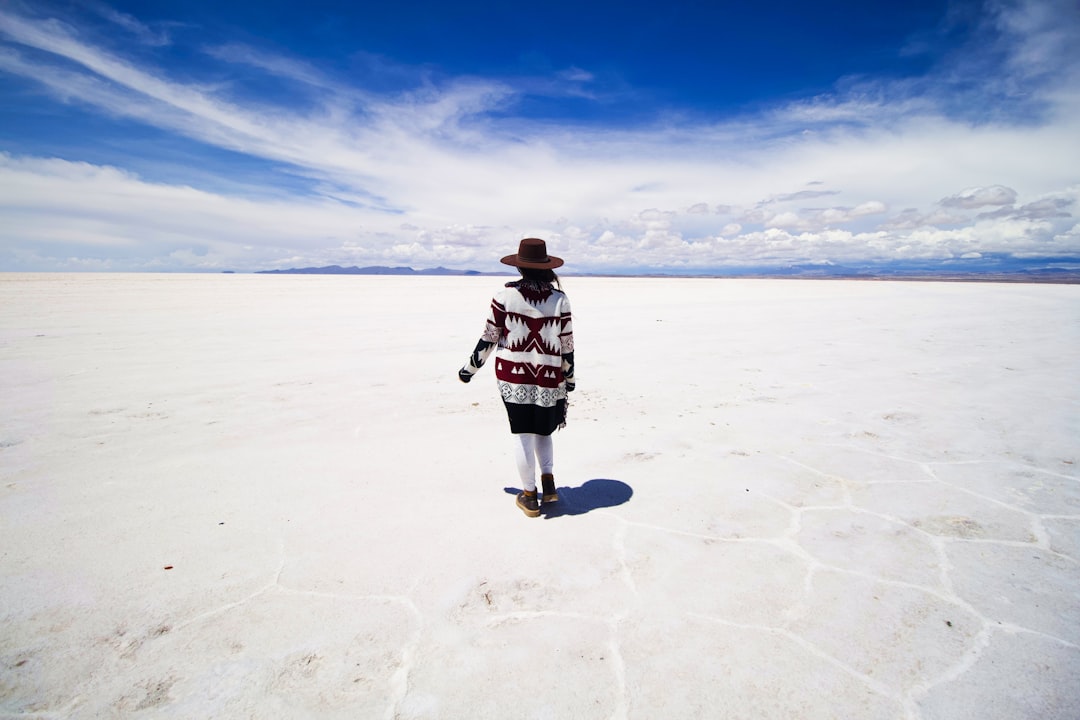
Embarking on a Bolivia road trip is an adventure like no other, offering a kaleidoscope of landscapes from salt flats to soaring Andean peaks. For the intrepid traveler, driving in Bolivia provides unparalleled freedom to explore its rich culture and breathtaking natural wonders. However, driving abroad in Bolivia comes with its unique set of challenges and requirements. This comprehensive Bolivia travel guide is designed to equip international drivers with the knowledge and confidence needed for an unforgettable self-drive journey.
Why Bolivia for a Road Trip?
Bolivia offers a distinct advantage for those seeking genuine exploration away from the tourist crowds.
Unforgettable Landscapes
Bolivia boasts an incredible diversity, from the ethereal beauty of the Salar de Uyuni to the rugged canyons of the Altiplano and the lush Amazon basin. A self-drive Bolivia adventure allows you to witness these dramatic transitions firsthand, offering photo opportunities at every turn.
Cultural Immersion
Beyond the scenery, Bolivia offers deep dives into indigenous cultures, vibrant markets, and colonial cities. Driving through Bolivia gives you the flexibility to stop in remote villages, engage with local communities, and truly connect with local life.
Off-the-Beaten-Path Adventure
Unlike more conventional destinations, Bolivia still feels like a true frontier for adventure travel. A Bolivia road trip is for those seeking a genuine, less-traveled experience where every day brings new discoveries and challenges.
Essential Preparation for Driving in Bolivia
Careful preparation is paramount for a safe and enjoyable Bolivia road trip.
Vehicle Requirements and Documentation
Before you even think about hitting the Bolivian roads, ensure your paperwork is in order.
- International Driving Permit (IDP): Absolutely mandatory and must be presented alongside your original driver's license.
- Original Driver's License: Your home country's valid license.
- Vehicle Registration and Proof of Ownership: If renting, the rental agreement. If bringing your own vehicle, all relevant customs and ownership documents.
- Mandatory Insurance (SOAT): Seguro Obligatorio de Accidentes de Tránsito. This third-party liability insurance is legally required. Purchase it at border crossings or in major cities.
- Vehicle Condition Check: Ensure your vehicle is in excellent condition, especially if tackling high altitudes or rough terrain. A spare tire, basic tools, jumper cables, and emergency supplies are crucial.
Route Planning and Navigation
Reliable navigation is key for a successful Bolivia road trip.
- Offline Maps: Google Maps or Maps.me are useful, but mobile data can be sporadic. Download maps beforehand. Consider a physical map as a backup.
- Local Knowledge: Don't hesitate to ask locals about current road conditions or best routes. Information changes rapidly.
- Fuel Availability: Plan your fuel stops, especially in remote areas where gas stations can be scarce or close early. Keep your tank topped up.
- Road Condition Research: Many Bolivian roads are unpaved. Research your routes for recent landslides, closures, or seasonal difficulties (e.g., rainy season impacts).
Health & Safety Considerations
Prioritize your well-being on any South America road trip.
- Altitude Sickness: Much of Bolivia is at high altitude. Acclimatize slowly, stay hydrated, avoid alcohol initially, and carry necessary medication.
- First-Aid Kit: A comprehensive kit for minor injuries, stomach issues, and common ailments is essential.
- Emergency Contacts: Have local emergency numbers (police, ambulance) and your embassy's contact information readily available.
- Local Road Rules: Familiarize yourself with Bolivian traffic laws and signs. Right-of-way rules, particularly at unmarked intersections, can differ.
Navigating Bolivia's Unique Roads
Driving in Bolivia requires adaptability and caution due to varied road conditions and driving styles.
Road Conditions
Expect a mix. While major routes between large cities are increasingly paved, many scenic roads, especially in rural areas, remain unpaved dirt roads, often narrow and winding. Be prepared for potholes, washouts, and unsealed surfaces. Four-wheel drive is highly recommended for exploring beyond main arteries.
Traffic & Driving Style
Urban centers like La Paz can be chaotic, with aggressive drivers, frequent honking, and motorcycles weaving through traffic. Outside cities, traffic thins out, but you'll encounter livestock on the roads, pedestrians, and slower-moving vehicles. Always drive defensively, maintain situational awareness, and be prepared for unexpected maneuvers by other drivers.
Altitude Driving Challenges
High altitudes (above 3,000 meters) can affect both vehicle performance and driver stamina. Your vehicle might feel less powerful due to thinner air affecting engine combustion, and you might experience fatigue or shortness of breath more quickly. Take frequent breaks, drive at a relaxed pace, and monitor your own health.
Top Bolivia Road Trip Destinations & Routes
While the possibilities are vast, these routes offer a taste of Bolivia's incredible diversity.
Salar de Uyuni & Southwest Circuit
The crown jewel of Bolivia travel. A multi-day Salar de Uyuni road trip explores the world's largest salt flat, vibrant lagoons, geysers, and unique desert landscapes. While often done with a local guide/driver due to the challenging navigation, it's possible for experienced self-drivers with appropriate preparation and a robust 4x4 vehicle.
La Paz to Copacabana (Lake Titicaca)
A stunning scenic drive to the shores of Lake Titicaca, offering incredible views of the Andes and the sacred lake. This route is mostly paved and provides an excellent introduction to driving in Bolivia without extreme challenges. Explore Isla del Sol from Copacabana.
The Yungas Road (El Camino de la Muerte)
Infamous as the 'Death Road,' this treacherous route from La Paz to Coroico is now primarily used for mountain biking tours. While some still drive it, modern, safer alternatives exist for vehicle travel (the new paved road). Exercise extreme caution, a high level of skill, and thoroughly research current conditions if you consider this route.
Conclusion
A Bolivia road trip is an unparalleled adventure for those ready to embrace its challenges and rewards. With careful preparation, the right documentation including your International Driving Permit, and a spirit of adventure, driving abroad in Bolivia will unlock an authentic and deeply memorable South America road trip experience. Get ready to explore a country of incredible contrasts, where every turn in the Bolivian roads reveals a new wonder.