Discover Nature's Gems: The Best Wildlife Spotting Destinations in the British Virgin Islands (BVI)
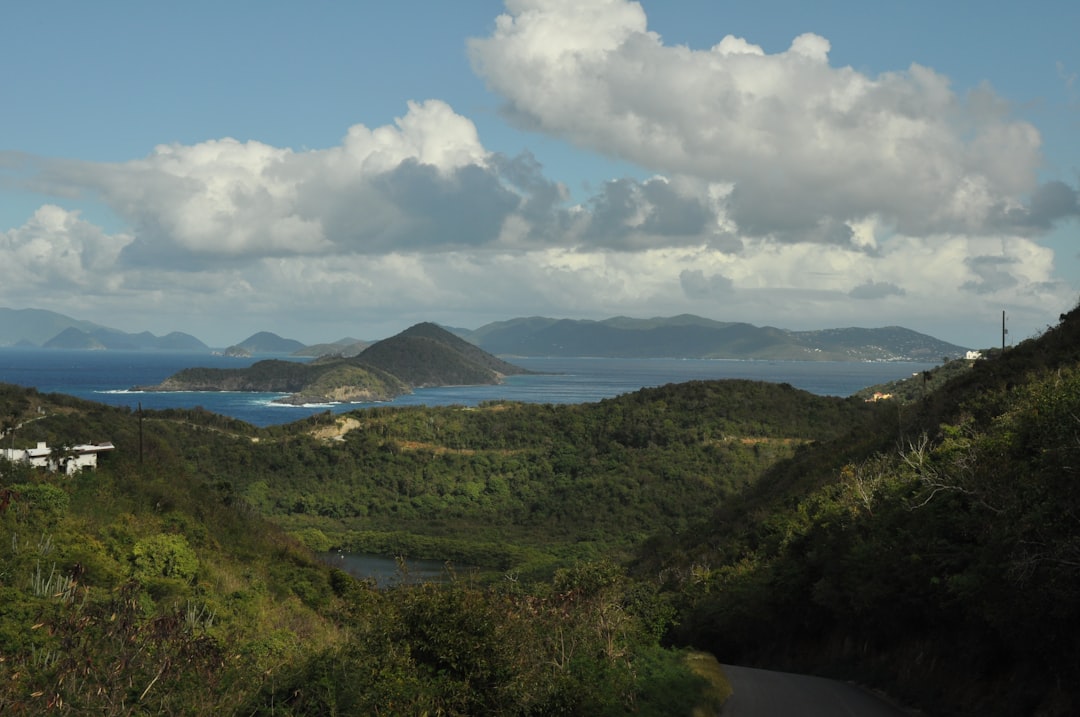
The British Virgin Islands (BVI), an idyllic archipelago in the Caribbean, are renowned for their pristine white-sand beaches and crystal-clear turquoise waters. But beyond the postcard-perfect scenery lies a vibrant world teeming with incredible wildlife. For nature enthusiasts and eco-tourists, the BVI offers unparalleled opportunities for wildlife spotting, from colorful marine creatures to exotic birds and elusive land animals. Get ready to explore the hidden natural treasures of this Caribbean paradise.
Dive into Marine Wonders: BVI's Underwater Ecosystems
The waters surrounding the BVI are a treasure trove of biodiversity, boasting healthy coral reefs and diverse marine life. Snorkeling and diving here provide unforgettable encounters with the ocean's inhabitants.
The Coral Reefs of Anegada
Known for its unique flat topography and the extensive Horseshoe Reef, Anegada is a dream destination for marine wildlife spotting. This barrier reef is one of the largest in the Caribbean, protecting a vast array of species.
- Green Sea Turtles and Loggerhead Turtles are frequently seen grazing on seagrass beds or swimming gracefully through the reef.
- Stingrays and graceful Eagle Rays glide effortlessly across the sandy bottoms.
- A spectacular variety of tropical fish, including parrotfish, angelfish, barracuda, and snapper, create a vibrant underwater tapestry.
- Healthy coral formations provide shelter for countless smaller creatures.
Norman Island & The Caves
Famed for its pirate lore and believed to be the inspiration for "Treasure Island," Norman Island offers more than just history; its underwater caves are a fantastic spot for snorkeling and diving.
- Look out for small reef sharks patrolling the deeper areas.
- Octopus and squid can often be found camouflaged among the rocks.
- Numerous colorful reef fish swarm the cave entrances and surrounding reefs.
- Moray Eels peek out from crevices, adding a thrilling element to your exploration.
The Wreck of the Rhone (Salt Island)
One of the most famous shipwrecks in the Caribbean, the RMS Rhone is now an artificial reef teeming with life. This site is a must-visit for divers.
- It's a favored habitat for larger groupers and schools of snappers and jacks.
- Occasional sightings of nurse sharks resting on the wreck are possible.
- Abundant soft corals, sponges, and anemones have colonised the wreck, attracting a host of smaller invertebrates and fish.
Soaring Beauty: Avian Adventures in the BVI
Above the waves, the BVI's islands, particularly their less developed areas, are important habitats and migratory stops for a wide variety of bird species. Birdwatching here can be incredibly rewarding.
Guana Island
This privately owned island is a dedicated nature preserve, making it one of the best places for birdwatching in the BVI. Its diverse habitats support a remarkable number of species.
- Magnificent Frigatebirds are a common sight, soaring high with their distinctive forked tails.
- Brown Boobies and the elegant Red-billed Tropicbirds nest along the cliffs.
- Various herons and egrets can be found wading in mangrove areas and along the shorelines.
- Ospreys are often spotted diving for fish in the surrounding waters.
Salt Island Ponds
The salt ponds on Salt Island attract a unique mix of shorebirds and migratory waterfowl, especially during the cooler months.
- Though rare, Flamingos have been known to visit, offering a spectacular sighting.
- Various species of ducks, stilts, and sandpipers forage in the shallow waters.
- Other waders and shorebirds use these vital habitats for feeding and resting.
Land-Based Discoveries: Terrestrial Wildlife
While the marine life often steals the show, the BVI's terrestrial environments also host fascinating creatures, from vibrant lizards to unique insects.
Tortola's Hills and Trails
Exploring the lush interior of Tortola, the largest island, can reveal some interesting land-based wildlife.
- Iguanas, particularly the common Green Iguana and the endemic (though more elusive) Anegada Rock Iguanas, can be spotted sunning themselves on rocks or in trees.
- Various species of lizards and geckos scuttle across paths and cling to walls.
- The calls of tiny Coqui frogs fill the night air, though these nocturnal creatures are heard more often than seen.
- If you're incredibly lucky and quiet, you might spot the endemic White-tailed Deer in the more remote, forested areas.
The Baths (Virgin Gorda)
Beyond its iconic granite boulders and grottoes, the unique ecosystem of The Baths provides a home for smaller, resilient creatures.
- Agile anoles (small lizards) are frequently seen sunning themselves on the warm rocks.
- Colorful butterflies flit among the sparse vegetation, adding splashes of color.
- Various species of crabs scurry along the shorelines and hide amongst the rocks.
Essential Tips for Responsible Wildlife Spotting
To ensure the best experience for both you and the animals, remember to practice responsible eco-tourism.
Best Time to Visit
- The dry season (December to May) generally offers the calmest seas and best visibility for marine activities.
- Early mornings and late afternoons are often the best times for spotting active land animals and birds.
What to Bring
- Snorkel gear or dive equipment is essential for marine encounters.
- Binoculars are invaluable for birdwatching and observing shy land animals.
- An underwater camera or waterproof phone case will help you capture incredible memories.
- Reef-safe sunscreen and a hat are crucial for protecting yourself and the environment.
- A guidebook for species identification can enhance your understanding and appreciation.
Observe, Don't Disturb
- Always maintain a respectful distance from all animals, both on land and in the water.
- Never feed wildlife – it can harm their health, alter their natural behaviors, and make them dependent on humans.
- Do not touch coral or any marine life; even a gentle touch can damage fragile ecosystems.
- Choose eco-friendly tour operators and guides who prioritize conservation and follow responsible practices.
The British Virgin Islands are a true testament to nature's enduring beauty, offering a rich tapestry of wildlife both above and below the waves. From the mesmerizing dance of sea turtles to the majestic flight of frigatebirds, every moment spent wildlife spotting here is an unforgettable experience. Plan your adventure to the BVI and immerse yourself in a world where nature reigns supreme – you won't be disappointed!