Your Essential Guide to Money & Currency Exchange in Malta
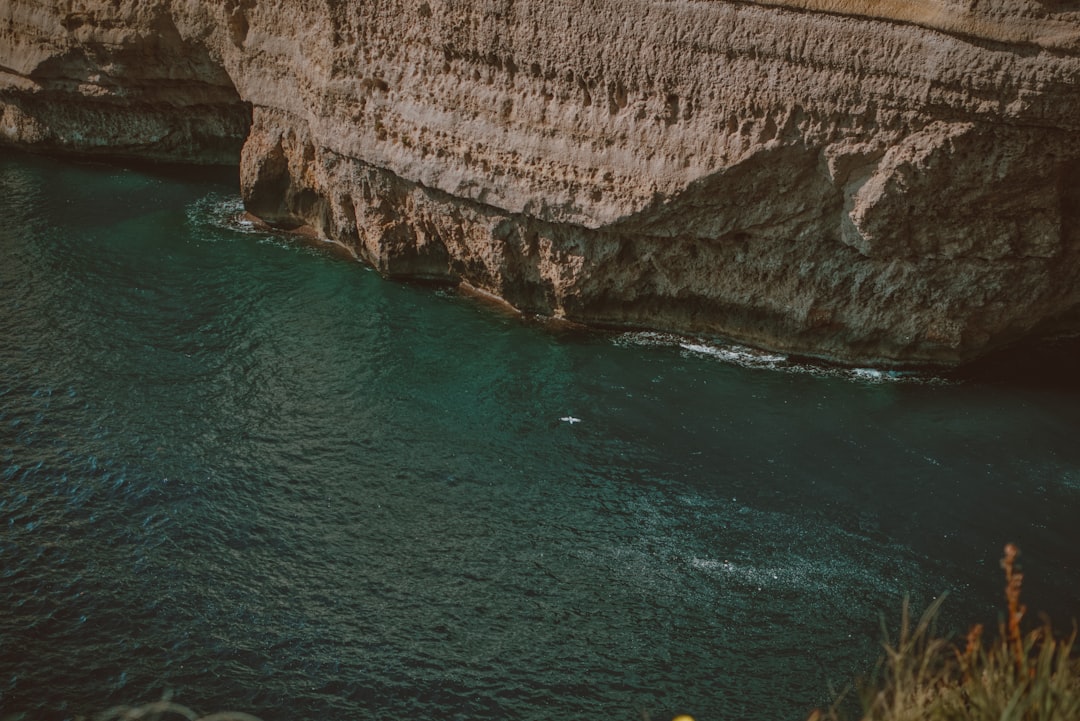
Planning a trip to the beautiful island nation of Malta? Understanding how to handle money and navigate currency exchange is crucial for a smooth and stress-free vacation. From withdrawing cash to making payments, this comprehensive guide will equip you with all the financial knowledge you need for your Maltese adventure.
Malta's Currency: The Euro (€)
Malta is a member of the European Union and adopted the Euro (€) as its official currency on January 1, 2008. This simplifies finances for many international travelers already familiar with the Eurozone.
Why the Euro?
As part of the Eurozone, Malta benefits from a unified currency, making transactions straightforward for visitors from other Eurozone countries. For those outside the Eurozone, you'll be converting your local currency into Euros.
Understanding Euro Denominations
The Euro comes in various denominations:
- Banknotes: €5, €10, €20, €50, €100, €200, and €500 (though €200 and €500 notes are rarely seen and often not accepted by smaller vendors).
- Coins: 1c, 2c, 5c, 10c, 20c, 50c, €1, and €2.
Getting Cash in Malta
While card payments are widespread, having some cash on hand is always advisable, especially for smaller purchases and local markets.
ATMs (Cash Machines)
Automated Teller Machines (ATMs) are readily available throughout Malta, particularly in urban areas, tourist hotspots, and near major banks.
- Major Banks: You'll find ATMs from leading Maltese banks like Bank of Valletta (BOV), HSBC Malta, and APS Bank.
- Card Acceptance: Most ATMs accept international debit cards and credit cards (Visa, Mastercard, Maestro, Cirrus).
-
Fees: Be aware of potential fees:
- Your own bank may charge a foreign transaction fee.
- The local ATM operator might charge a fee, though this is less common with major bank ATMs in Malta. Always check the screen for warnings about charges.
- Security: Use ATMs in well-lit, secure locations, preferably inside or attached to a bank. Cover your PIN when entering it.
Exchanging Foreign Currency
If you arrive with non-Euro currency and prefer to exchange it physically:
- Banks: Major banks offer currency exchange services, though their hours might be limited.
- Bureau de Change: You'll find dedicated currency exchange offices in Valletta, Sliema, St. Julian's, and at Malta International Airport.
- Rates and Fees: Always compare exchange rates and inquire about any commission fees before exchanging money. Generally, withdrawing Euros directly from an ATM with a good travel card offers better rates than physical exchange offices.
Payment Methods in Malta
Malta offers a mix of payment options, catering to both traditional and modern preferences.
Credit and Debit Cards
Credit cards and debit cards are widely accepted across the island:
- Acceptance: Most hotels, restaurants, larger shops, supermarkets, and tourist attractions readily accept major cards like Visa and Mastercard. American Express and Diners Club might be less widely accepted.
- Contactless Payments: Contactless payment is common, making quick transactions even faster.
- PIN: You will almost always be required to enter your PIN for card transactions. Chip-and-PIN technology is standard.
Cash vs. Card: What to Use When
- Cash is King for Small Transactions: For small purchases like a coffee, a bottle of water from a kiosk, items at local markets, bus tickets, and tipping, cash is often preferred and sometimes the only option.
- Cards for Larger Purchases: Use your card for larger expenses such as hotel stays, restaurant meals, significant shopping, and tour bookings.
Managing Your Money Smartly: Tips for Malta
To ensure your finances run smoothly during your trip, keep these practical tips in mind:
Avoid Dynamic Currency Conversion (DCC)
When using an ATM or paying by card, you might be asked if you want to be charged in your home currency (e.g., USD, GBP) or in Euros. Always choose to be charged in Euros (€). Choosing your home currency means the local merchant or ATM provider sets their own, often less favorable, exchange rate, a practice known as Dynamic Currency Conversion (DCC).
Notify Your Bank
Before you travel, inform your bank about your travel dates and destination (Malta). This prevents your bank from flagging your overseas transactions as suspicious and potentially blocking your card.
Budgeting for Your Trip
Malta can be relatively affordable compared to some other European destinations, but costs vary. Research typical prices for meals, transport, and attractions to set a realistic budget.
Keep Emergency Cash
It's a good idea to carry a small amount of cash (€50-€100) as an emergency backup, just in case you encounter an ATM malfunction or a card issue.
Security First
Always be mindful of your belongings. Keep your wallet secure, avoid carrying large sums of cash, and use hotel safes for valuables. Be aware of your surroundings, especially in crowded tourist areas, to prevent pickpocketing.
Important Malta-Specific Financial Considerations
Tipping Culture
Tipping is appreciated in Malta but not strictly mandatory.
- Restaurants: A tip of 5-10% for good service is customary, especially in tourist areas.
- Taxis: Rounding up the fare is common.
- Hotel Staff: A few Euros for porters or housekeepers is a nice gesture.
Public Transport
Malta's public bus system is efficient. While you can purchase a Tallinja Card for cheaper fares, single-journey tickets purchased directly from the driver often require exact cash or at least smaller notes, as drivers may not have change for large denominations.
Conclusion
With the Euro as its currency and a good mix of cash and card payment options, handling money in Malta is generally straightforward. By being prepared, understanding currency exchange best practices, and following these simple financial tips, you can focus on enjoying the stunning history, beautiful coastlines, and vibrant culture that Malta has to offer, without any money worries. Have a fantastic trip!